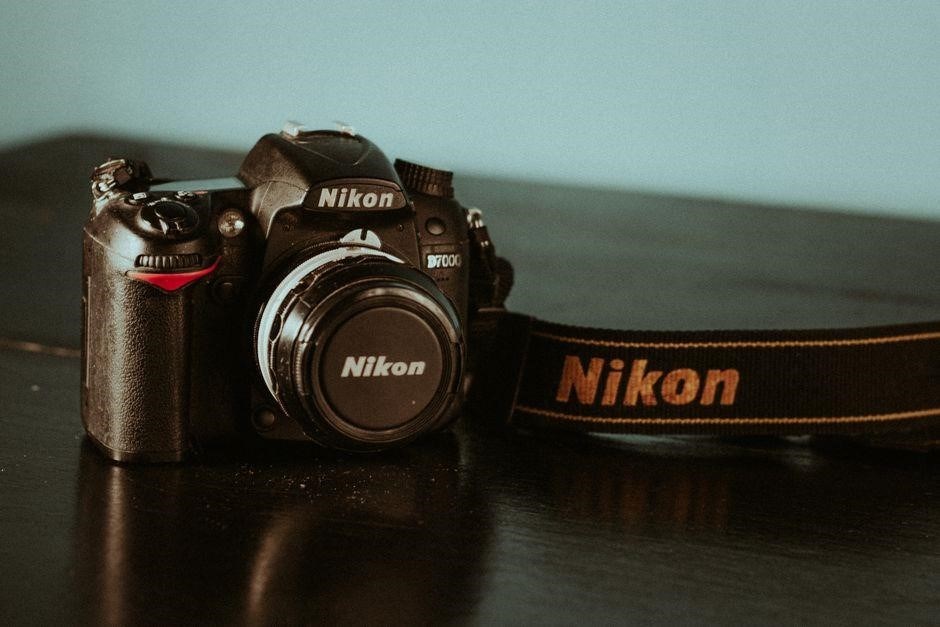
What is the Nikon Coolpix series?
The Nikon Coolpix series offers compact, versatile cameras designed for everyday shooting. This nikon coolpix camera manual explains features, settings, and usage tips, guiding users from basic operation to photography techniques. The guide covers lens compatibility, battery life, and memory card options.
Purpose of this manual guide
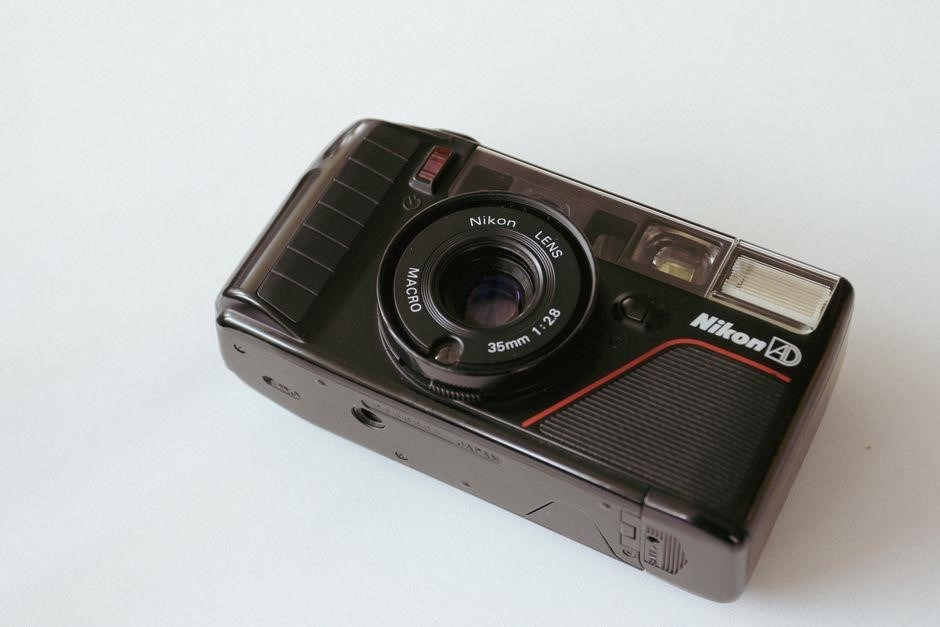
This manual provides comprehensive guidance for operating the Nikon Coolpix camera, covering setup, settings, and troubleshooting. It helps users master features, optimize image quality, and maintain the device, ensuring a smooth and enjoyable photography experience. The guide also covers battery care and quick reference charts soon.
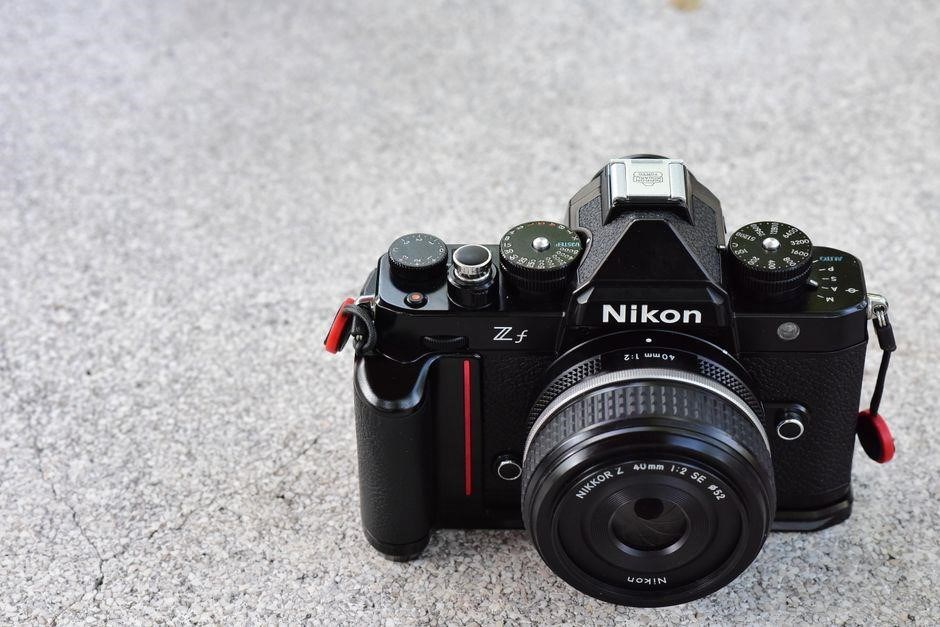
Getting Started with Your Nikon Coolpix
Before you begin, ensure you have the correct accessories: a fully charged battery, a compatible memory card, and any optional lenses or filters that fit the model. Unbox the camera carefully, noting the included items such as the user manual, charger, and spare battery. Read the safety warnings and familiarize yourself with the camera’s physical layout, including the shutter button, mode dial, and control wheel.
Insert the battery into the compartment, aligning the contacts properly. Secure the battery cover, then power on the camera by pressing the power button. The LCD screen will display a welcome screen; use the navigation buttons to confirm your language and region settings. Next, insert a memory card into the slot, ensuring it clicks into place. The camera will prompt you to format the card if it is new; this step prepares the card for optimal performance.
Once the camera is ready, review the on‑screen menu to locate the basic settings. Set the date and time, and adjust the picture size and quality according to your shooting needs. If you plan to shoot in RAW or JPEG, select the appropriate format. Test the viewfinder by pressing the shutter button halfway to preview the scene, and adjust focus manually if needed. Finally, take a few test shots to verify exposure, white balance, and image clarity. Store the camera in a protective case when not in use, and keep the battery charged to avoid unexpected power loss during critical moments.
Remember to regularly check for firmware updates on Nikon’s website to keep your camera’s performance and featuresnewdate!
Unboxing and first look
When you first receive your Nikon Coolpix camera, the packaging is designed to protect the device and its accessories. Carefully remove the outer cardboard box and lift the inner plastic case. Inside, you will find the camera body, a fully charged battery, a charger, a spare battery, a user manual, and a quick‑start guide. The camera is wrapped in a protective foam sleeve that keeps it safe from scratches during shipping. The quick‑start guide provides a concise overview of the camera’s key features, while the user manual offers detailed instructions for every function.
Open the camera’s battery compartment by sliding the latch and slide the battery in, ensuring the contacts align correctly. Replace the cover and press the power button to turn on the camera. The first screen you see is the welcome screen, which allows you to set your language, date, and time. Follow the on‑screen prompts to complete this initial setup. Once the camera is powered on, take a moment to examine the physical controls: the shutter button, the mode dial, the control wheel, and the viewfinder.
Insert a memory card into the slot located on the side of the camera. The card should click into place, and the camera will prompt you to format it if it is new. Formatting prepares the card for optimal performance and ensures compatibility with the camera’s file system. After formatting, the camera will display a confirmation message. Now that the camera is fully assembled, you can explore the menu system by pressing the menu button. The menu is organized into tabs such as Setup, Image Quality, and Shooting. Use the control wheel to navigate through options, and the OK button to confirm selections.
Before you start shooting, take a few test shots to verify that the camera is functioning correctly. Adjust the exposure settings to a default mode such as Auto or Scene, and capture a simple image of a bright object. Review the image on the LCD screen to confirm that the focus, exposure, and white balance are correct. If everything looks good, you’re ready to begin using your Nikon Coolpix camera for everyday photography. Remember to keep the camera in a dry, dust‑free environment, and store the battery in a cool place when not in use. This careful approach ensures that your camera remains in top condition for years to come.
Battery and power considerations
Choosing the right battery is essential for uninterrupted shooting. Nikon Coolpix models typically use rechargeable lithium‑ion batteries that deliver high capacity and lightweight performance. The standard battery pack is designed to fit snugly in the camera’s battery compartment, ensuring a secure connection and preventing accidental disconnection during use. When selecting a battery, verify the model number and voltage rating to match the camera’s specifications. Using an incompatible battery can lead to reduced performance or even damage the camera’s internal circuitry.
To maximize battery life, activate the camera’s power‑saving features. The Auto‑Power‑Off setting turns the camera off after a period of inactivity, preventing unnecessary drain. The LCD brightness can be adjusted to a lower level when shooting in bright conditions, which conserves power. Additionally, the “Battery Saver” mode reduces background noise and disables certain functions that are not needed for simple shooting, further extending runtime. When the battery level drops below 10%, the camera will display a low‑battery warning, prompting you to replace or recharge the battery.
Charging the battery should be done with the supplied charger or a compatible third‑party charger that meets the required voltage and current specifications. Place the battery in the charger, connect the charger to a power outlet, and wait until the indicator light signals that charging is complete. Avoid overcharging by unplugging the charger once the battery is fully charged; most modern chargers have an automatic shut‑off feature. If you plan to travel, consider carrying a spare battery and a portable power bank to keep the camera powered during long sessions.
Proper storage of the battery is also crucial. Store the battery in a cool, dry place, and avoid exposing it to extreme temperatures. When not in use for extended periods, remove the battery from the camera and store it in a sealed container to prevent moisture ingress. Regularly inspect the battery contacts for corrosion and clean them with a dry cloth if necessary. By following these battery and power guidelines, you can ensure that your Nikon Coolpix camera remains ready for action whenever you need it.
Always keep spare batteries for extended shoots and travel trip.
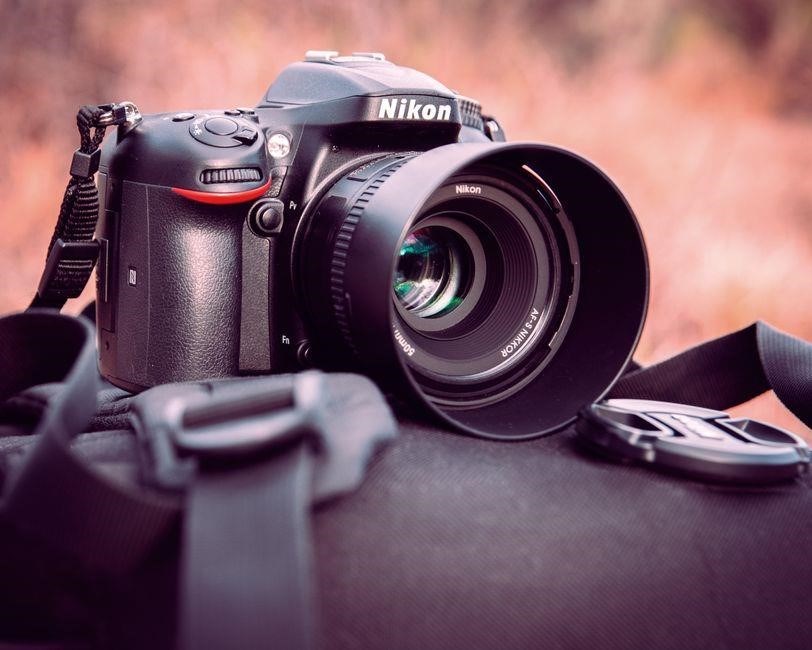
Memory card compatibility
The Nikon Coolpix accepts SD, SDHC, and SDXC cards. Use UHS‑I for best performance. Ensure the card’s speed class meets the camera’s requirement; Class 10 or U1 is recommended for full‑resolution images. Avoid using microSD or other formats. Insert the card before powering on to avoid errors. Always format cards in cameraNow
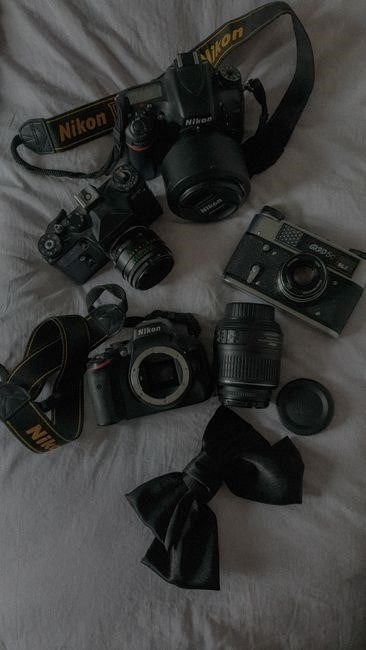
Basic Operations
The Nikon Coolpix camera is designed for intuitive use, with a clear layout that guides even novice shooters. The central shutter button is the heart of the camera; pressing it halfway activates autofocus and exposure metering, while a full press captures the image. A dedicated AF/AE lock button allows you to lock focus and exposure, which is useful in challenging lighting or when you want to maintain settings across multiple shots. The multi‑function dial on the back provides quick access to exposure compensation, ISO, and other settings, letting you fine‑tune images without digging into menus. On the front, a small power switch turns the camera on or off, and the mode selector wheel offers Auto, Scene, and Manual modes for different shooting scenarios. The rear LCD screen is fully articulating, giving you a live view of the composition and enabling you to review images immediately. If the camera has a viewfinder, it is compact and can be used for quick framing in bright light. The built‑in flash is accessible via a button on the top plate; you can set it to automatic, red‑eye reduction, or off, depending on the environment. When shooting in low‑light conditions, the camera’s high‑ISO capability helps reduce noise, and the built‑in image stabilization keeps handheld shots sharp. The Coolpix supports continuous shooting; by holding down the shutter button, the camera will capture a burst of frames at the configured frame rate, which is handy for action photography. Video recording is straightforward: press the movie button, then use the dial to adjust frame rate and resolution. The camera’s timer function allows delayed shots; set the interval through the quick‑access menu, which is great for self‑portraits or group photos. For creative effects, the camera offers a range of scene presets—portrait, landscape, sports, macro, and night—each automatically adjusting exposure, white balance, and focus to suit the scene. The camera’s memory card status is displayed on the LCD, and you can check available space or format the card directly from the interface. Finally, keeping the firmware up to date ensures the camera performs at its best and remains compatible with new accessories and software updates. For optimal performance, always keep the camera’s firmware updated and regularly clean the lens and sensor with appropriate tools to prevent dust buildup and maintain image quality
Powering on and off
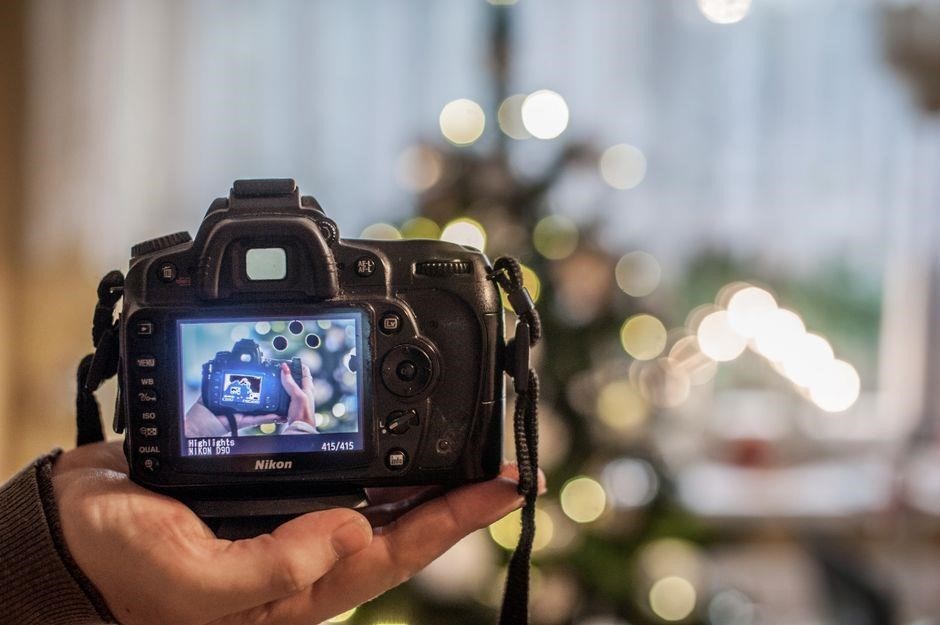
Turning the Nikon Coolpix on or off is a quick, straightforward process that ensures your camera is ready for shooting or safely powered down when not in use. To power on, locate the small power switch on the top of the camera body. Slide it to the ON position; the camera will display a brief startup screen, and the LCD will show the current mode and battery status. If the battery is low, the screen will flash a low‑power warning, prompting you to replace or recharge the battery. The camera will automatically enter Auto mode if no memory card is inserted, allowing you to test basic functionality before loading media.
To power off, simply slide the switch back to the OFF position. The camera will shut down immediately, preserving battery life and protecting the internal electronics; If you have a memory card inserted, the camera will prompt you to eject it before turning off; this helps prevent data corruption. For quick power cycling during a shoot, you can use the Power button on the front of the camera: a short press will toggle the power state, while a long press will trigger a full shutdown. This feature is handy when you need to reset the camera without fully removing the battery. For extended periods of inactivity, it is recommended to turn the camera off to conserve battery power. Always ensure the camera’s firmware is up to date, as newer firmware versions may improve power management and battery efficiency. By following these simple steps, you can keep your Nikon Coolpix operating smoothly and ready for any shooting situation.
Using the viewfinder and LCD screen
The Nikon Coolpix series equips each camera with a bright, high‑resolution LCD for live preview and a compact optical viewfinder for quick framing. When the camera is powered on, the LCD displays the current shooting mode, exposure settings, and battery level. To engage the viewfinder, press the VF button; the camera will switch to the optical view, allowing you to compose shots without relying on the screen. The viewfinder is especially useful in bright outdoor conditions where the LCD may be difficult to see. The LCD can be toggled on or off by pressing the Menu button and selecting Display → On/Off. The camera’s Live View mode provides a full‑screen view that can be accessed by pressing the Live View icon; this mode is ideal for macro or low‑light photography, as it offers a larger frame and a focus assist feature. To lock focus, tap the screen once; the camera will lock the focus point and display a small lock icon. When you release the tap, the camera will automatically refocus if the scene changes. The LCD also displays histogram data when you press the Histogram button, helping you evaluate exposure and adjust settings accordingly. For video recording, the LCD shows frame rate, audio levels, and recording time. You can switch between the viewfinder and LCD by pressing the Flip button; this allows you to quickly adapt to changing shooting angles. The camera’s power‑saving mode will dim the LCD after a period of inactivity, which can be adjusted in the Power settings. By mastering both the viewfinder and LCD, you can capture sharp, well‑exposed images in a variety of lighting conditions and enjoy creative freedom everywhere always!
Navigating the menu system
Use the Menu button to access settings. Navigate with the directional pad, selecting items by pressing OK. The menu is organized into tabs: Setup, Image, Video. Adjust exposure, white balance, and more. Enjoy quick focus, exposure!
Camera Settings and Shooting Modes
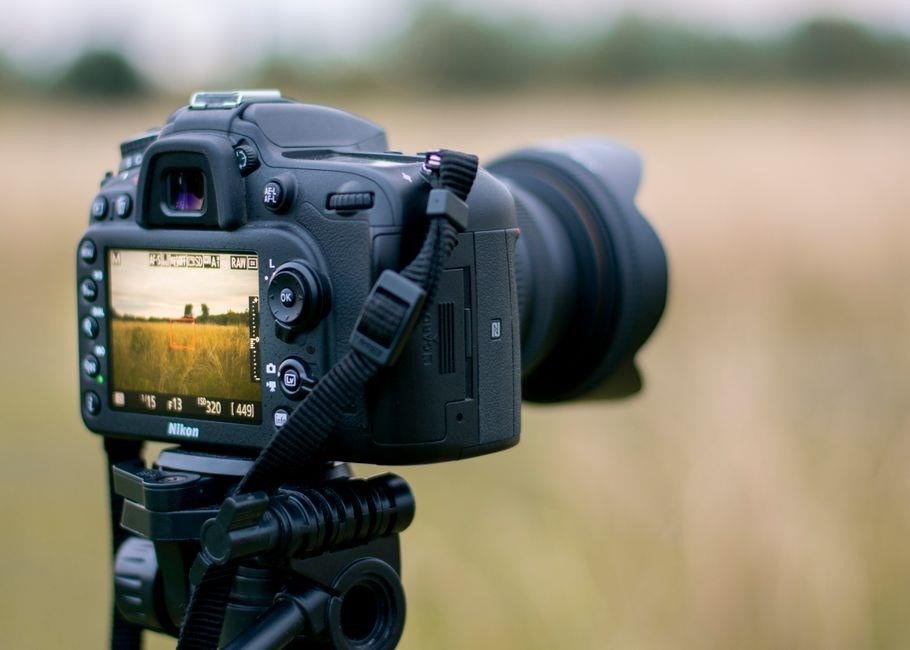
The Nikon Coolpix camera offers a range of shooting modes to suit every situation. The Auto mode automatically selects exposure, white balance, and focus, making it ideal for quick snapshots. Scene modes such as Portrait, Landscape, Night, and Sports provide preset settings that optimize the camera for specific lighting and motion conditions.
For greater creative control, the Manual mode allows you to adjust shutter speed, aperture, and ISO independently. Use the Exposure Compensation dial to fine‑tune brightness without changing the base settings. The camera’s ISO range adapts to low light while maintaining image quality, and the Auto ISO feature locks the sensor to a maximum value for consistent exposure.
White balance can be set to Auto, Daylight, Cloudy, Tungsten, Fluorescent, or Custom, ensuring accurate color reproduction. The camera’s Color Profiles menu offers options such as Standard, Vivid, and Monochrome, each applying a different color tone and contrast level.
Additional settings include Image Quality (RAW, JPEG, or RAW+JPEG), Resolution (Full, Medium, or Low), and File Naming for organizing your shots. The camera’s Custom Settings panel allows you to save frequently used configurations for quick access during shooting sessions.
Focus and metering options further refine image capture. The Auto Focus system uses phase‑detection to lock focus quickly, while Manual Focus lets you fine‑tune the lens for macro or artistic effects. Metering modes such as Multi‑zone, Center‑weighted, and Spot provide flexibility for varying lighting. The built‑in flash can be set to Auto, Red‑eye reduction, or Off, and the External Flash port supports advanced lighting accessories. Additionally, the camera offers Image Stabilization to reduce blur in handheld shots, and Live View mode allows you to compose using the LCD screen with real‑time focus peaking. These features combine to give photographers control over every aspect of their photography workflow.
For advanced users, the camera’s Custom Picture Control allows you to tweak sharpness, contrast, saturation, and color tone on a per‑image basis. The RAW format captures uncompressed sensor data, giving maximum latitude for post‑processing. The camera also supports HDR mode, which merges multiple exposures to create a high dynamic range image. Time‑Lapse and Interval Shooting features enable automated sequences for creative projects. The built‑in Wi‑Fi and Bluetooth connectivity allow you to transfer images to a smartphone or tablet, and the Nikon SnapBridge app provides remote control and geotagging. With these tools, photographers can capture stunning images in any environment.
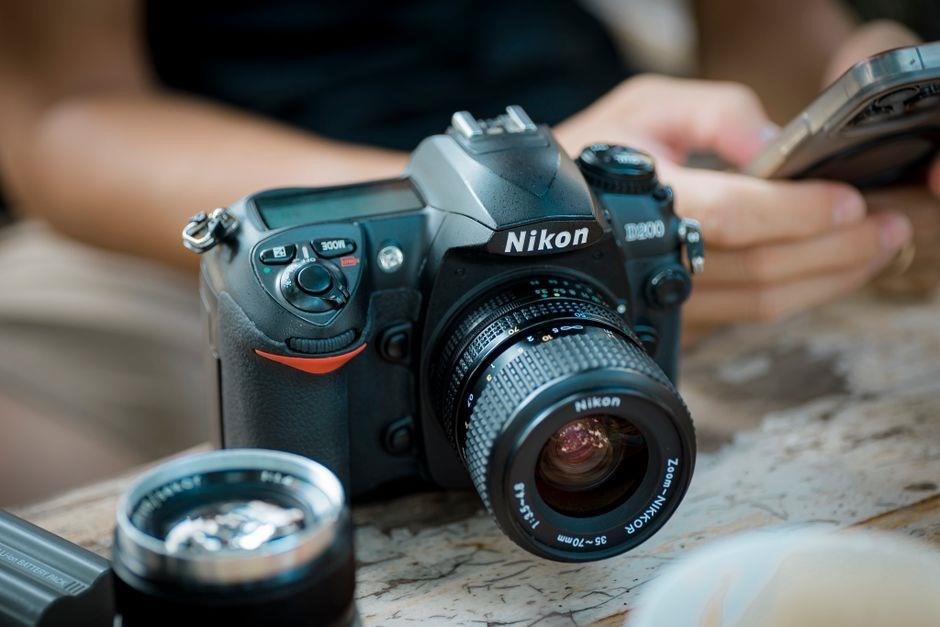
The battery life is optimized for extended shooting, and the camera includes a Fast Charging feature that restores power quickly. The LCD screen offers a high‑resolution view with adjustable brightness, while the tilt‑screen allows shooting from low or high angles. All these options make the Nikon Coolpix a reliable companion for both beginners and seasoned photographers.
Enjoy your new camera’s performance.
Auto, Scene, and Manual modes
The Nikon Coolpix camera offers three primary shooting modes that cater to different levels of user expertise and creative intent. The Auto mode is designed for quick, hassle‑free photography. When selected, the camera automatically evaluates lighting, subject distance, and motion to set exposure, white balance, focus, and shutter speed. This mode is ideal for spontaneous shots, family gatherings, or any situation where the photographer wants to capture a moment without fiddling with settings.
The Scene mode provides a set of predefined configurations tailored to specific photographic scenarios. Each scene preset—such as Portrait, Landscape, Night, Sports, Macro, and Food—optimizes the camera’s exposure algorithm, white balance, and focus behavior for that particular type of subject. For instance, the Portrait preset boosts skin tones and applies a soft focus effect, while the Night preset increases ISO sensitivity and extends shutter speed to capture low‑light environments. These presets are especially useful for beginners or when you need to shoot quickly and reliably.
The Manual mode gives the photographer full control over the camera’s exposure parameters. In this mode, you can independently adjust shutter speed, aperture (if the lens supports it), ISO, and exposure compensation. The camera’s metering system will still provide a suggested exposure, but you can override it to achieve creative effects such as motion blur, shallow depth of field, or high dynamic range. Manual mode is essential for advanced photography, allowing you to experiment with exposure bracketing, time‑lapse sequences, and custom white balance settings. It also enables the use of external accessories such as external flashes or intervalometers, which can be synchronized with the camera’s shutter release for complex shooting scenarios.
Additionally, the camera supports multiple metering modes—Multi‑zone, Center‑weighted, and Spot—which can be combined with the chosen shooting mode to fine‑tune exposure in challenging lighting. The focus system offers both Auto Focus and Manual Focus, with focus peaking and magnification features in Manual mode. The built‑in flash can be set to Auto, Red‑eye reduction, or Off, and the external flash port allows for advanced lighting setups. By mastering these modes, photographers can transition smoothly from casual snapshots to more artistic and technical projects.
Moreover, the camera’s image stabilization works in both Auto and Manual modes, reducing camera shake for handheld shooting. The live view function displays real‑time exposure and focus information, making it easier to compose shots in low light or with fast‑moving subjects. The camera’s battery life is optimized for extended shooting sessions, and the fast charging feature ensures you’re ready for the next adventure.
Finally, the camera’s firmware updates can introduce new scene presets and improve autofocus performance, so keep the device updated for the best experience.
Exposure and ISO settings
The Nikon Coolpix camera’s exposure system is built around a flexible combination of shutter speed, aperture (if available), and ISO sensitivity. In Auto mode, the camera selects a balanced exposure by evaluating scene brightness, contrast, and motion. Scene modes provide preset exposure values tailored to specific lighting conditions, such as Night or Sports. Manual mode allows you to set each parameter independently.
ISO sensitivity ranges from 100 to 6400 (or higher on newer models), with the camera automatically adjusting the sensor’s gain to maintain image quality. Lower ISO values preserve detail and reduce noise; ideal for bright or studio lighting. Higher ISO values enable shooting in low light but introduce grain; the camera’s noise reduction algorithms mitigate this effect. The Exposure Compensation slider lets you brighten or darken the image by up to ±3 EV in Auto and Scene modes.
The camera’s metering system offers Multi‑zone, Center‑weighted, and Spot options. Multi‑zone distributes light measurement across the frame, ensuring balanced exposure for complex scenes. Center‑weighted prioritizes the central area, useful for portraits. Spot meters a small area, perfect for backlit subjects. You can switch metering modes from the menu or by pressing the dedicated button on the back of the camera.
For advanced users, the camera supports Exposure Bracketing to take multiple shots for HDR, and ISO Speed Priority locks ISO while the camera selects shutter speed. These settings add creative flexibility and maintain image quality for creative shots and HDR!!!!
White balance and color profiles
White balance corrects color temperature for realistic tones. The Nikon Coolpix camera manual lists presets: Auto, Daylight, Cloudy, Tungsten, Fluorescent, Flash, Custom. Press WB to switch or set a custom value. Color profiles—Standard, Vivid, Natural, Portrait—adjust saturation and contrast for creative.
Troubleshooting and Maintenance
When your Nikon Coolpix camera shows unexpected behavior, start with these troubleshooting steps. First, check the battery level; a low charge can cause power‑on failures or sudden shutdowns. Verify that the memory card is correctly inserted and formatted; corrupted files may trigger error messages. Ensure the lens is fully closed and the shutter release is not stuck. If the viewfinder or LCD remains blank, reset the camera to factory settings via the menu. For image quality issues, clean the sensor with a soft brush or air blower, following Nikon’s recommended procedure; If the camera freezes during shooting, remove the battery, wait 30 seconds, and reinsert it. Persistent problems may indicate a firmware glitch; download the latest firmware from Nikon’s support site and install it following the on‑screen instructions. Regular maintenance includes cleaning the exterior with a microfiber cloth, inspecting charging contacts for dust, and storing the camera in a dry, temperature‑controlled environment. For advanced diagnostics, connect the camera to a PC and use Nikon’s Camera Control Pro software to view error logs. If all else fails, contact Nikon service for professional repair. Maintaining proper storage, routine cleaning, and timely firmware updates will keep your Coolpix reliable and extend its lifespan. If autofocus fails, clean lens contacts with a microfiber cloth and ensure the lens is properly attached. For battery life issues, use a fully charged battery and avoid extreme temperatures. When a “No signal” error appears, check the HDMI cable and monitor settings. For firmware upgrade failures, ensure the SD card is formatted to FAT32 and the file is not corrupted. Finally, keep the firmware updated and store spare batteries in a cool, dry place to maintain performance. Use the built‑in diagnostic mode for deeper analysis.
Keep firmware updated by checking Nikon’s website. Store spare batteries in a cool, dry place. When changing lenses, wipe contacts with a lint‑free cloth. If a “No signal” error appears, verify the HDMI cable and monitor settings. Use diagnostics analysis.!!