Embrace independent exploration! Self-guided trips offer active travel, appreciating destinations like Iceland without constant guidance, fostering a unique and personalized adventure.
What are Self-Guided Trips?
Self-guided trips represent a dynamic shift in travel, empowering individuals to curate their own experiences. Unlike traditional tours with fixed itineraries and a dedicated guide, these adventures place the control firmly in your hands. You become the architect of your journey, deciding where to go, what to see, and how long to stay.
This doesn’t mean venturing into the unknown completely unprepared. Rather, it involves utilizing resources – maps, apps, pre-booked accommodations, and suggested routes – to navigate and discover destinations at your own pace. The thrill lies in the freedom to deviate from plans, embrace spontaneity, and truly immerse yourself in the local culture, as exemplified by exploring Iceland independently.
Benefits of Choosing Self-Guided Travel
Self-guided travel unlocks a wealth of advantages for the modern explorer. Foremost is the freedom to tailor your trip to your specific interests and preferences – whether that’s lingering longer at a captivating art gallery or spontaneously altering your route. This personalized approach fosters a deeper connection with your destination.
Cost-effectiveness is another key benefit, as you avoid the premium often associated with guided tours. Furthermore, self-guided trips encourage authentic cultural immersion, prompting interactions with locals and a more genuine understanding of the place you’re visiting. Embracing this style, like exploring Iceland independently, allows for a truly unique and rewarding experience.
Who is Self-Guided Travel For?
Self-guided travel isn’t confined to a specific demographic; it appeals to a broad spectrum of adventurers. It’s ideal for independent individuals who relish planning and enjoy the thrill of discovery at their own pace. Those seeking authentic experiences, beyond the typical tourist trail, will find it particularly rewarding.
However, it also suits travelers comfortable with a degree of uncertainty and problem-solving. A willingness to embrace spontaneity and navigate challenges is key. While not requiring extensive experience, a proactive attitude and basic research skills are beneficial. Ultimately, anyone desiring a personalized and immersive journey, like exploring Iceland’s beauty independently, can thrive with self-guided travel.

Planning Your Self-Guided Adventure
Careful preparation is crucial! Define your style, choose a destination, set a realistic budget, and craft a detailed itinerary for a seamless experience.
Defining Your Travel Style & Interests
Before embarking on a self-guided journey, introspection is key. Are you a fast-paced explorer, ticking off sights, or a slow traveler, immersing yourself in local culture? Do you prefer bustling cities, serene landscapes, or historical sites? Consider your passions – art, music, food, or outdoor activities – and build your trip around them.
Think about your comfort level with independence. Are you comfortable navigating unfamiliar territories and solving problems on the fly? Self-guided travel thrives on flexibility, but requires a willingness to embrace the unexpected. Identifying your preferences ensures a fulfilling and enjoyable adventure tailored specifically to you, maximizing your personal travel experience.
Choosing a Destination
The world is your oyster when planning a self-guided trip! Consider destinations that align with your defined travel style. Iceland, with its dramatic landscapes, is perfect for adventurous explorers. Italy offers a rich tapestry of history, culture, and cuisine for immersive experiences.
For nature enthusiasts, the USA’s National Parks provide endless opportunities for hiking and wildlife viewing. Southeast Asia beckons backpackers with its vibrant cultures and affordable travel options. Research destinations thoroughly, considering accessibility, safety, and the availability of resources for independent travelers. A well-chosen destination sets the stage for an unforgettable self-guided adventure.
Setting a Budget
A realistic budget is crucial for a successful self-guided trip. Begin by estimating transportation costs – flights, rental cars, or public transit. Accommodation expenses vary greatly; consider hostels, guesthouses, or Airbnb for budget-friendly options. Factor in daily expenses like food, activities, and entrance fees.
Don’t forget to allocate funds for potential emergencies or unexpected delays. Travel insurance is a worthwhile investment. Research average costs in your chosen destination to refine your estimates. Creating a detailed spreadsheet can help track spending and ensure you stay within your financial limits, maximizing enjoyment without overspending.
Creating a Detailed Itinerary
A well-planned itinerary is the backbone of a smooth self-guided trip. Start with key destinations and must-see attractions, allocating realistic time for each. Research opening hours, transportation options between locations, and potential booking requirements.
Balance structured plans with flexibility for spontaneous discoveries. Include buffer days for unexpected delays or simply to linger longer in places you love. Note down local events or festivals happening during your travel dates. Share your itinerary with someone at home for safety, and utilize digital tools to keep it organized and accessible throughout your journey.
Essential Tools & Resources
Leverage navigation apps, booking platforms, and travel insurance for a seamless experience. Digital tools empower independent exploration and peace of mind.
Navigation Apps & Offline Maps
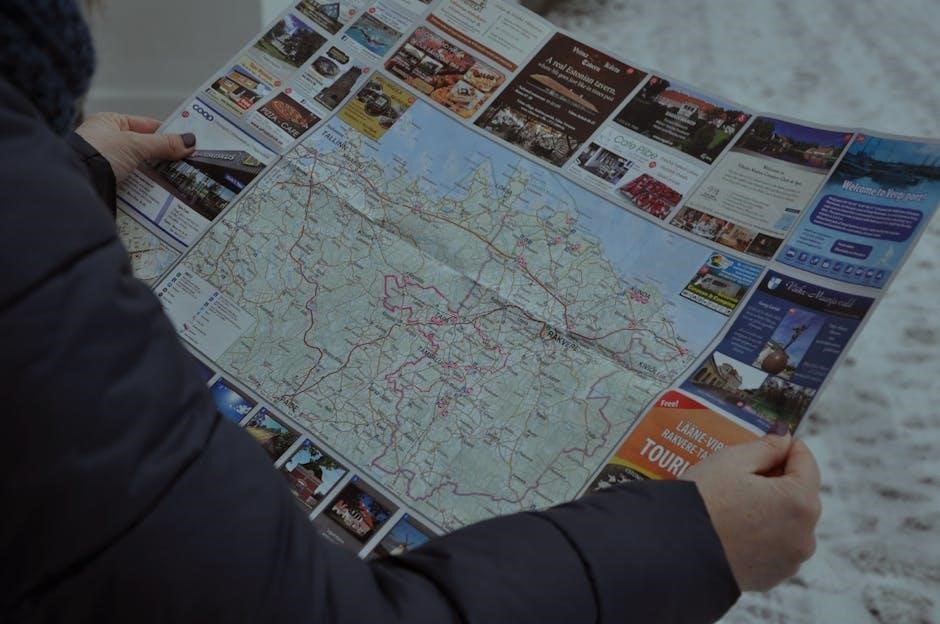
Reliable navigation is paramount for self-guided adventures. Utilizing smartphone apps like Google Maps, Maps.me, or Citymapper provides turn-by-turn directions and points of interest. However, data connectivity can be spotty, especially in remote areas. Therefore, downloading offline maps is crucial.
These pre-downloaded maps allow access to location data without an internet connection, ensuring you remain oriented even off the grid. Consider apps that allow you to create custom routes and save locations of interest. Furthermore, familiarizing yourself with the app’s interface before your trip will maximize efficiency and minimize frustration. Don’t solely rely on technology; a traditional map and compass can be valuable backups!
Accommodation Booking Platforms
Securing lodging is simplified through numerous online platforms. Popular choices include Booking.com, Airbnb, Expedia, and Hostelworld, offering diverse options from hotels and apartments to guesthouses and hostels. These platforms allow filtering by price, location, amenities, and user reviews, aiding informed decisions.
For self-guided trips, flexibility is key. Consider accommodations with lenient cancellation policies, accommodating potential itinerary changes. Reading reviews thoroughly provides insights into the property’s suitability and neighborhood safety. Booking in advance, especially during peak season, is recommended. Explore local booking sites for potentially better deals and unique lodging experiences beyond mainstream options.
Transportation Options (Rental Cars, Public Transit)
Navigating independently requires careful transportation planning. Rental cars offer freedom and flexibility, ideal for exploring remote areas, but consider parking costs and driving conditions. Public transit – trains, buses, trams – is often cost-effective and environmentally friendly, particularly in Europe and Asia.
Research local transportation networks before your trip. Apps like Citymapper provide real-time transit information. For longer distances, consider budget airlines or overnight trains. Evaluate the trade-offs between convenience, cost, and environmental impact. Combining options – a rental car for rural exploration and public transit within cities – can optimize your self-guided adventure.
Travel Insurance Considerations
Protecting your investment and well-being is crucial on self-guided trips. Comprehensive travel insurance should cover medical emergencies, trip cancellations, lost or stolen belongings, and unexpected delays. Ensure the policy includes coverage for the specific activities you plan, like hiking or water sports.
Carefully review policy exclusions, particularly regarding pre-existing medical conditions. Consider policies with 24/7 assistance services for immediate support. Compare quotes from multiple providers to find the best value. Document your policy details and emergency contact information readily accessible, both digitally and in print, for peace of mind throughout your independent journey.
Safety & Preparedness
Prioritize safety! Know emergency contacts, respect local laws and customs, prepare for health concerns, and pack essentials for a secure, self-guided experience.
Emergency Contact Information
Before embarking on your self-guided adventure, meticulously compile a comprehensive list of emergency contact information. This should extend beyond simply your home country’s embassy or consulate details. Include local emergency numbers – police, fire, and ambulance – specific to each region you plan to visit. Share this list with a trusted friend or family member back home, detailing your itinerary and expected check-in times.
Furthermore, document any pre-existing medical conditions, allergies, and current medications. Carry this information with you, alongside your travel insurance policy details, including the 24/7 assistance hotline. Consider registering your trip with your government’s travel registry; this can facilitate assistance during crises. Having readily accessible contact information can significantly mitigate risks and ensure a swift response in unforeseen circumstances.
Local Laws & Customs
Respecting local laws and customs is paramount for a smooth and enriching self-guided trip. Thoroughly research the legal framework of each destination, paying attention to regulations regarding photography, drone usage, and public behavior. Be mindful of cultural sensitivities, including dress codes when visiting religious sites and appropriate etiquette when interacting with locals.
Understanding local customs demonstrates respect and can prevent unintentional offenses. Research acceptable tipping practices, dining etiquette, and common greetings. Familiarize yourself with any specific laws related to alcohol consumption or public displays of affection. Ignoring local norms can lead to misunderstandings or even legal repercussions. Prior preparation fosters positive interactions and a more immersive travel experience.
Health & Medical Precautions
Prioritize your health when embarking on self-guided adventures. Consult your doctor well in advance regarding necessary vaccinations and recommended medications for your destination. Pack a comprehensive first-aid kit including pain relievers, antiseptic wipes, bandages, and any personal prescriptions. Research the availability of medical facilities along your route, noting hospital locations and emergency contact numbers.
Be mindful of food and water safety, opting for bottled water and thoroughly cooked meals. Consider travel insurance that covers medical emergencies, including evacuation. Understand potential health risks specific to your destination, such as altitude sickness or insect-borne diseases, and take preventative measures. Staying informed and prepared ensures a healthier and more enjoyable journey.
Packing Essentials for Self-Guided Trips
Smart packing is crucial for successful self-guided travel. Prioritize lightweight, versatile clothing suitable for varying weather conditions. Essential items include comfortable walking shoes, a waterproof jacket, and a daypack. Don’t forget a reusable water bottle, sunscreen, and insect repellent.
Bring a portable charger for electronic devices, along with necessary adapters. A basic first-aid kit is vital, as is any required medication. Pack copies of important documents – passport, insurance, itinerary – stored separately from the originals. Consider a travel towel and headlamp for added convenience. Minimizing weight while maximizing functionality will enhance your freedom and enjoyment on the road.

Popular Destinations for Self-Guided Exploration
Discover Iceland’s landscapes, Italy’s culture, USA’s parks, and Southeast Asia’s routes – ideal for independent adventurers seeking diverse experiences and unforgettable journeys.
Iceland: Land of Fire and Ice
Iceland presents an extraordinary self-guided adventure, boasting dramatic landscapes of glaciers, volcanoes, and geothermal areas. Renting a car allows exploration of the Ring Road, unveiling waterfalls like Seljalandsfoss and Skógafoss, and the black sand beaches of Vik.
Consider the Golden Circle route for geysers and Þingvellir National Park. Northern Lights viewing is a major draw during winter months, requiring careful planning and flexibility. Accommodation ranges from cozy guesthouses to remote cabins.
Self-guided travel in Iceland demands preparedness for unpredictable weather; pack layers and waterproof gear. Embrace the freedom to customize your itinerary, stopping at hidden gems and immersing yourself in Iceland’s unique beauty.
Italy: History, Culture, and Cuisine
Italy is ideal for self-guided exploration, blending ancient history, vibrant culture, and world-renowned cuisine. Train travel efficiently connects cities like Rome, Florence, and Venice. Wander through the Colosseum, admire Renaissance art in Florence’s Uffizi Gallery, and glide along Venice’s canals.
Consider regional culinary tours – pasta-making classes in Tuscany or pizza-tasting in Naples. Accommodation options are diverse, from boutique hotels to charming agriturismos.
Self-guided itineraries allow for spontaneous detours to smaller towns and local festivals. Embrace the ‘dolce vita’ – savoring delicious food, enjoying local wines, and immersing yourself in the Italian lifestyle at your own pace.
National Parks of the USA
America’s National Parks are perfect for self-guided adventures, offering diverse landscapes from mountains to deserts. Plan a road trip through parks like Yellowstone, Yosemite, or Grand Canyon, utilizing park maps and visitor center resources.
Hiking trails cater to all levels, providing stunning views and wildlife encounters. Consider ranger-led programs for deeper insights into the park’s ecology and history. Booking accommodations within or near the parks is crucial, especially during peak season.
Self-guided exploration allows flexibility to spend more time at favorite viewpoints or embark on spontaneous hikes. Remember to pack appropriately for varying weather conditions and practice Leave No Trace principles.
Southeast Asia: Backpacking Routes
Southeast Asia is a haven for self-guided backpacking trips, offering vibrant cultures, delicious cuisine, and stunning scenery. Popular routes include Thailand’s islands, Vietnam’s coastline, and Cambodia’s ancient temples.
Utilize readily available transportation options like buses, trains, and ferries to navigate between destinations. Hostels and guesthouses provide affordable accommodation and opportunities to connect with fellow travelers. Embrace local street food and explore bustling markets.
Research visa requirements and cultural etiquette before you go. Flexibility is key, allowing for spontaneous detours and extended stays in places you love. Southeast Asia rewards independent exploration with unforgettable experiences.

Maximizing Your Self-Guided Experience
Dive into local culture, connect with residents, and embrace spontaneity! Document your journey, creating lasting memories from your uniquely tailored self-guided adventure.
Immersive Cultural Experiences
Truly experiencing a destination goes beyond ticking off landmarks. Self-guided travel allows for deeper cultural immersion, venturing off the beaten path to discover authentic local life. Seek out opportunities to participate in workshops – perhaps a cooking class in Italy learning regional specialties, or a traditional craft demonstration.
Explore local markets, not just for souvenirs, but to observe daily interactions and sample regional delicacies. Attend local festivals or performances, even if you don’t fully understand the language; the energy and atmosphere are invaluable. Don’t be afraid to stray from tourist hotspots and explore neighborhoods where locals live and work, fostering genuine connections and a richer understanding of the culture.
Connecting with Locals
Self-guided travel excels at fostering genuine connections. Step outside the tourist bubble and actively seek interactions with residents. Simple gestures like learning a few basic phrases in the local language can open doors and demonstrate respect.
Engage in conversations – ask for recommendations for hidden gems, local eateries, or cultural events. Consider staying in locally-owned accommodations like guesthouses or Airbnb, providing opportunities for direct interaction. Participate in local tours led by residents, gaining insights beyond guidebooks. Be open, approachable, and genuinely interested in learning about their lives and perspectives; these interactions will enrich your journey immeasurably.
Flexibility and Spontaneity
A core benefit of self-guided travel is the freedom to deviate from rigid plans. Embrace the unexpected! If you stumble upon a charming village or hear about a local festival, don’t hesitate to alter your itinerary. This adaptability allows for truly unique experiences.
Unlike structured tours, you’re not bound by schedules or pre-determined routes. Feel like spending an extra day exploring a particular city? Do it! Discover a hidden hiking trail? Venture forth! This spontaneity fosters a sense of adventure and allows you to tailor your trip to your evolving interests and desires, creating a more fulfilling and memorable journey.
Documenting Your Journey
Preserve the memories of your self-guided adventure! Beyond photographs, consider journaling daily reflections, noting unique encounters, and capturing the essence of each location. A travel blog or social media updates can also serve as a fantastic record and inspire others.
Collect small mementos – ticket stubs, local maps, or pressed flowers – to create a tangible scrapbook. These artifacts will transport you back to specific moments long after your trip concludes. Detailed documentation not only enhances your personal recollection but also allows you to relive the experience and share your discoveries with friends and family, fostering connection and inspiring future travels.
Troubleshooting Common Challenges
Navigate unexpected issues like delays, language barriers, or lost items with preparedness and resourcefulness, ensuring a smooth self-guided travel experience.
Dealing with Unexpected Delays
Self-guided travel demands adaptability. Unexpected delays – transportation disruptions, weather events, or unforeseen closures – are inevitable. Embrace flexibility; rigidly scheduled itineraries crumble under pressure. Build buffer time into your plan, allowing for spontaneous adjustments. Download offline maps and translation apps before you go, minimizing reliance on connectivity.
Consider alternative routes or activities. A cancelled train might reveal a charming local bus line. A closed museum could lead to an unexpected discovery in a nearby neighborhood. Maintain a positive attitude and view delays as opportunities for serendipitous experiences. Having digital copies of essential documents (passport, tickets, confirmations) readily accessible is also crucial for swift problem-solving;
Language Barriers
Navigating destinations where you don’t speak the local language is a common self-guided travel challenge. Download translation apps – Google Translate allows for offline use and even image translation – before your trip. Learn basic phrases: “hello,” “thank you,” “please,” “excuse me,” and “where is…?” can go a long way.
Don’t be afraid to use gestures and visual aids. Pointing at maps, pictures, or items can bridge communication gaps. Many locals appreciate the effort, even if your pronunciation isn’t perfect. Consider carrying a small phrasebook or utilizing online resources for quick translations. Patience and a friendly demeanor are key to overcoming language barriers and fostering positive interactions.
Lost or Stolen Items
Unfortunately, losing or having items stolen can disrupt a self-guided trip. Before you depart, make digital copies of important documents – passport, visa, insurance details – and store them securely online. Keep physical copies separate from the originals. Consider a money belt or hidden pouch for valuables.
Report any theft to the local police immediately and obtain a police report for insurance claims. Contact your bank and credit card companies to cancel cards. Travel insurance is crucial; ensure it covers loss and theft. Be mindful of your belongings in crowded areas and avoid displaying expensive items. A little precaution can save significant stress during your adventure.

The Future of Self-Guided Travel
Self-guided travel is poised for significant growth, fueled by technological advancements and a desire for authentic experiences. Expect increasingly sophisticated AI-powered trip planning tools offering hyper-personalized itineraries and real-time adjustments based on traveler preferences.
Augmented reality (AR) will likely enhance exploration, overlaying historical information and points of interest onto the physical environment. Sustainable and responsible travel practices will become even more central, with platforms promoting eco-friendly accommodations and local businesses. The demand for off-the-beaten-path destinations will continue to rise, empowering travelers to forge unique connections with cultures and landscapes.