
Light Bulb Temperature Guide: A Comprehensive Overview (Updated 04/16/2026)
Navigating the world of illumination requires understanding color temperature, impacting ambiance and functionality; explore diverse bulb types and optimal choices for every space.
Understanding light bulb temperature transcends simply choosing brightness; it’s about selecting the quality of light, measured in Kelvins (K). This crucial factor dramatically influences the atmosphere of a room, impacting how colors appear and even affecting our moods and productivity. Historically, lighting choices were limited, but today’s market offers a spectrum of options, from the warm glow of incandescent bulbs to the cool, crisp light of LEDs.
Many assume all bulbs are identical, yet the color temperature varies significantly. This guide delves into the nuances of light temperature, exploring how different Kelvins create distinct environments. We’ll unpack the science behind it, helping you make informed decisions for optimal illumination in every corner of your home or workspace. Ignoring this aspect can lead to less-than-ideal results, diminishing the intended aesthetic and functionality.
What is Color Temperature?
Color temperature describes the warmth or coolness of white light, a characteristic often overlooked but profoundly impactful on visual perception. It’s not about the actual physical temperature of the bulb, but rather the color appearance of the light emitted, mimicking the color of an object heated to that temperature. Lower Kelvin values (around 2700K) produce warmer, yellower light, reminiscent of candlelight or incandescent bulbs. Conversely, higher Kelvin values (6500K and above) yield cooler, bluer light, similar to daylight.
This measurement is crucial because it influences how we perceive colors and affects our emotional state. Different applications demand different color temperatures; a warm tone fosters relaxation, while a cool tone enhances focus. Understanding this concept allows for intentional lighting design, optimizing spaces for specific activities and desired atmospheres.
The Kelvin Scale Explained
The Kelvin scale is the standardized unit for measuring color temperature, expressed in Kelvins (K). It’s an absolute temperature scale, meaning it starts at absolute zero. While seemingly counterintuitive to apply temperature to light, it provides a consistent method for quantifying color appearance. The scale begins with warmer colors at lower numbers, mirroring the reddish glow of heated objects like embers (around 1000K). As the temperature increases, the color shifts towards white, then progressively to cooler blues.
Common ranges include 2700K for warm white, 3000K for soft white, 4000K for cool white, and 5000K-6500K for daylight. Understanding these values is key to selecting bulbs that create the desired ambiance and functionality within a space.
Understanding Correlated Color Temperature (CCT)
Correlated Color Temperature (CCT) defines the color of white light emitted by a light source, offering a practical way to categorize and compare bulbs. Unlike the actual temperature of the bulb itself, CCT describes the hue of the light produced, mimicking the color of a black body radiator heated to that temperature. A lower CCT (e.g., 2700K) indicates warmer, yellower light, similar to incandescent bulbs, while a higher CCT (e.g., 6500K) signifies cooler, bluer light, resembling daylight.
CCT is crucial for creating specific atmospheres and optimizing visual tasks, influencing mood and productivity.
Types of Light Bulbs and Their Temperatures
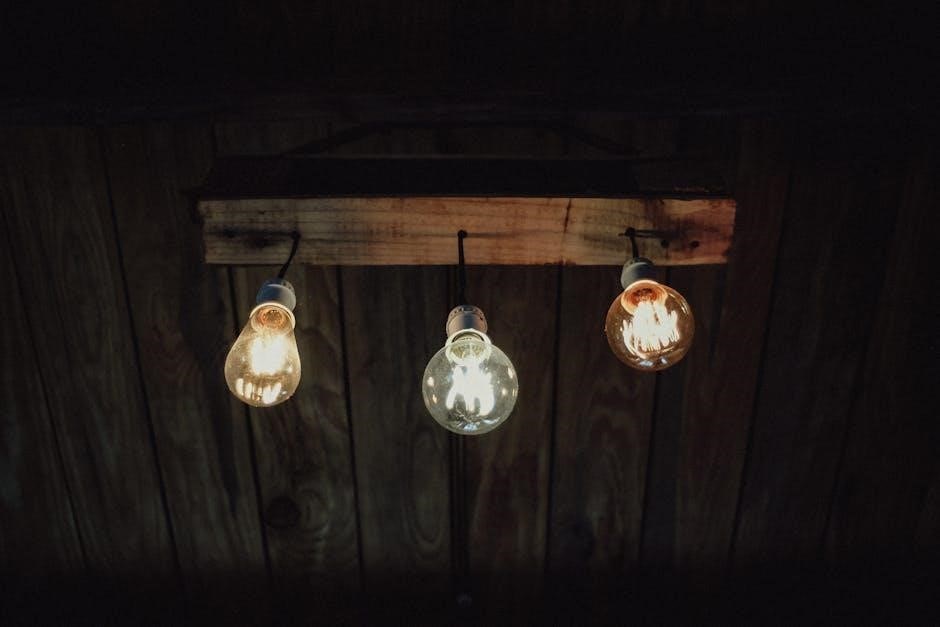
Explore diverse lighting options – incandescent, halogen, LED, and fluorescent – each possessing unique temperature characteristics impacting ambiance and energy efficiency within your home.
Incandescent Bulbs: Warm and Traditional
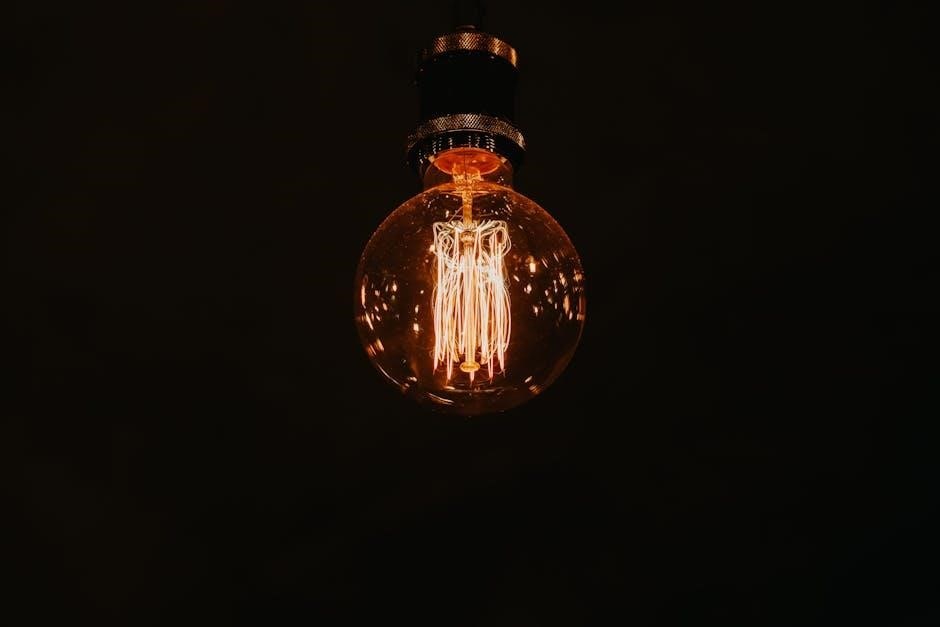
Incandescent bulbs represent a classic lighting choice, historically dominant in homes due to their warm, inviting glow. Typically emitting light in the 2700K range, they produce a cozy and relaxing atmosphere, reminiscent of candlelight or a fireplace.
However, these bulbs are notably inefficient, converting a significant portion of energy into heat rather than light. This inefficiency leads to higher energy bills and a shorter lifespan compared to modern alternatives. While offering excellent color rendering, accurately displaying colors, their energy consumption is a major drawback.
Despite declining in popularity due to energy regulations, incandescent bulbs remain available for specific applications where their warm tone is highly desired, such as creating a nostalgic ambiance or in decorative fixtures. They are often found in lamps and chandeliers where aesthetics are prioritized.
Halogen Bulbs: Brighter Incandescence
Halogen bulbs are essentially an improved version of traditional incandescent technology, offering increased brightness and efficiency. They achieve this by incorporating halogen gases within the bulb, allowing for a higher filament temperature and a whiter, more vibrant light output, generally around 2800K-3200K.
While still less efficient than LEDs or fluorescents, halogen bulbs provide a significant step up from standard incandescents in terms of light output per watt. They also boast excellent color rendering, making colors appear rich and accurate. This makes them suitable for tasks requiring good visual clarity.
However, halogen bulbs operate at very high temperatures, posing a burn risk and requiring careful handling. They also have a relatively short lifespan compared to newer technologies. Despite these drawbacks, they remain popular for spotlights, track lighting, and automotive headlights.
LED Bulbs: Efficiency and Versatility
LED (Light Emitting Diode) bulbs have revolutionized the lighting industry, offering unparalleled energy efficiency and longevity. Unlike incandescent or halogen bulbs, LEDs don’t rely on heating a filament; instead, they produce light through a semiconductor process. This results in significantly lower energy consumption and a much longer lifespan – often lasting 25,000 hours or more.
LEDs are incredibly versatile, available in a vast range of color temperatures, from warm 2700K to cool 6500K, and beyond. This allows for precise control over the ambiance of any space. They also offer excellent dimming capabilities and are available in various shapes and sizes to fit any fixture.
Furthermore, LEDs generate very little heat, making them safer to handle and reducing cooling costs. While initially more expensive, their energy savings and extended lifespan quickly offset the upfront investment.
Fluorescent Bulbs: Cool and Energy-Saving
Fluorescent bulbs, including compact fluorescent lamps (CFLs), represent a significant step towards energy efficiency compared to traditional incandescent options. They produce light by passing an electric current through a gas, causing it to emit ultraviolet light, which then excites a phosphor coating to create visible light. This process is considerably more efficient than heating a filament.
Fluorescent bulbs generally emit a cooler light, often in the 3500K to 6500K range, making them suitable for task lighting and areas where bright, clear illumination is desired. However, advancements have led to warmer-toned fluorescent options as well.
While energy-saving, fluorescent bulbs contain mercury, requiring careful disposal. They also have a shorter lifespan than LEDs and can take time to reach full brightness.
Color Temperature Ranges and Their Applications
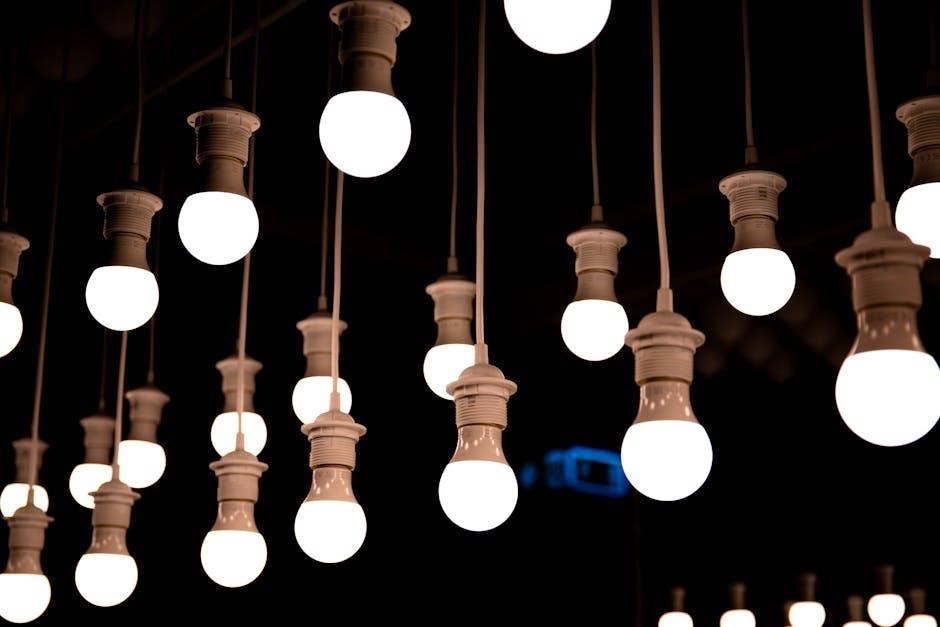
Distinct Kelvin ranges offer varied aesthetics and functionalities; explore warm, soft, cool, and daylight options to tailor lighting to specific needs and preferences.
Warm White (2700K-3000K): Creating Cozy Atmospheres
Warm white light, falling between 2700K and 3000K on the Kelvin scale, evokes a sense of comfort and relaxation, mimicking the glow of incandescent bulbs and candlelight. This temperature range is ideal for spaces where a welcoming and intimate ambiance is desired, such as living rooms and bedrooms.
The warmer tones create a cozy feel, promoting relaxation and reducing eye strain, making it perfect for unwinding after a long day. It’s often favored for creating a visually appealing and inviting atmosphere. Think of the gentle illumination of embers or a sunset – that’s the feeling warm white aims to replicate.
However, it’s less suitable for tasks requiring high visibility or concentration, as the warmer hues can slightly diminish clarity. It’s a fantastic choice for accent lighting and creating a relaxing mood.
Soft White (3000K-3500K): Versatile and Inviting
Soft white light, ranging from 3000K to 3500K, strikes a balance between warmth and brightness, offering a versatile lighting solution for various spaces. It’s often described as inviting and comfortable, providing a more natural feel than cooler temperatures while still offering good visibility. This makes it a popular choice for many homeowners seeking a universally appealing light.
Unlike the distinctly warm glow of 2700K, soft white offers a slightly cleaner appearance, suitable for areas where both ambiance and functionality are important. It’s a good option for dining rooms, hallways, and even some kitchens.
It doesn’t strain the eyes like brighter, cooler lights, yet it’s bright enough for everyday activities. It’s a safe bet when you’re unsure which temperature to choose!
Cool White (3500K-4100K): Functional and Clean
Cool white light, falling between 3500K and 4100K, delivers a brighter, more energetic feel compared to warmer tones. It’s characterized by a clean and crisp illumination, making it ideal for spaces where task lighting and visibility are paramount. This temperature minimizes shadows and enhances clarity, promoting a sense of alertness.
Often favored in kitchens, bathrooms, and utility areas, cool white light facilitates detailed work and provides a hygienic appearance. It’s a practical choice where a sterile or efficient atmosphere is desired.
While not as relaxing as warmer hues, it’s a solid option for areas demanding focused attention and a bright, inviting atmosphere.
Daylight (5000K-6500K): Bright and Energizing
Daylight bulbs, ranging from 5000K to 6500K, closely mimic natural daylight, offering the brightest and most energizing illumination. This temperature is characterized by a crisp, blue-toned light that maximizes visibility and promotes alertness. It’s a powerful tool for combating fatigue and enhancing focus, making it ideal for tasks requiring high concentration.
Frequently used in workshops, garages, and security lighting, daylight bulbs provide exceptional clarity and a sense of safety. They can also be beneficial for individuals experiencing Seasonal Affective Disorder (SAD).
However, prolonged exposure can be stimulating, so moderation is key, especially in relaxation spaces.
Impact of Color Temperature on Mood and Productivity
Light profoundly influences our well-being; warmer tones foster relaxation, while cooler hues enhance focus and alertness, impacting circadian rhythms significantly.
Warm Light and Relaxation
Warm-toned lighting, typically in the 2700K-3000K range, evokes feelings of comfort and tranquility, making it ideal for spaces designed for rest and unwinding. This spectrum mimics the soft glow of candlelight or a sunset, naturally signaling the body to prepare for sleep. Exposure to warmer light encourages the release of melatonin, a hormone crucial for regulating sleep cycles and promoting relaxation.
Consequently, warm white bulbs are exceptionally well-suited for bedrooms, living rooms, and dining areas where a cozy and inviting atmosphere is desired. Dimming capabilities further enhance this effect, allowing for customized levels of warmth and intimacy; Choosing warmer temperatures can reduce stress and create a more peaceful environment, contributing to overall well-being and a sense of calm.
Cool Light and Focus
Cool white light, generally between 3500K and 5000K, is associated with increased alertness and concentration, making it a beneficial choice for tasks requiring mental acuity. This type of illumination mimics daylight, suppressing melatonin production and promoting wakefulness. The brighter, crisper quality of cool light reduces eye strain and enhances visual clarity, improving performance on detail-oriented work.
Therefore, cool-toned bulbs are particularly effective in home offices, kitchens, and workspaces where productivity is paramount. They are also suitable for areas needing precise visibility, like garages or workshops. Utilizing cooler temperatures can boost energy levels and improve cognitive function, fostering a more focused and efficient environment for work or study.
Color Temperature and Circadian Rhythm
Our bodies operate on a natural 24-hour cycle, known as the circadian rhythm, heavily influenced by light exposure. Color temperature plays a crucial role in regulating this internal clock. Exposure to blue-rich, cooler light (6000K-6500K) during the day suppresses melatonin, promoting wakefulness and alertness. Conversely, warmer light (2700K-3000K) in the evening signals the body to prepare for sleep by increasing melatonin production.
Disruptions to this rhythm, caused by improper lighting, can lead to sleep disorders and other health issues. Strategically using different color temperatures throughout the day – bright, cool light during activity and dim, warm light before bed – supports a healthy circadian rhythm and overall well-being.
Choosing the Right Color Temperature for Different Rooms
Optimal lighting varies by space; warm tones foster relaxation, while cooler hues enhance focus and clarity, impacting mood and functionality throughout your home.
Living Rooms & Bedrooms: Warmth and Comfort
For living rooms and bedrooms, prioritizing a cozy and relaxing atmosphere is paramount. Opting for warmer color temperatures, typically within the 2700K to 3000K range, achieves this beautifully. These warmer tones mimic the soft glow of incandescent bulbs and candlelight, fostering a sense of tranquility and inviting comfort.
Dimmer switches are incredibly beneficial in these spaces, allowing you to further adjust the intensity and create the perfect ambiance for any occasion – from a lively gathering to a quiet evening alone. Avoid excessively bright or cool-toned lighting, as it can feel sterile and disrupt the relaxing environment you’re aiming for. Consider layering light sources, such as table lamps and floor lamps, to add depth and warmth to the room.
Kitchens & Bathrooms: Brightness and Clarity
Kitchens and bathrooms demand brighter, more functional lighting for tasks like cooking, grooming, and cleaning. Color temperatures in the 3500K to 4100K (cool white) range are ideal, providing excellent visibility without feeling harsh. This spectrum closely resembles natural daylight, enhancing color accuracy and reducing eye strain during detailed activities.
Under-cabinet lighting in kitchens is particularly effective, illuminating countertops for food preparation. In bathrooms, consider brighter lighting around mirrors for accurate makeup application and shaving. While warmth is still desirable, prioritize clarity and brightness to ensure safety and functionality. Avoid excessively warm tones, which can distort colors and make tasks more difficult.
Home Offices & Workspaces: Productivity and Focus
For home offices and workspaces, maximizing productivity and focus is paramount, making cooler color temperatures the optimal choice. A range of 4000K to 5000K (cool daylight) mimics natural daylight, suppressing melatonin production and promoting alertness. This type of lighting minimizes eye strain during prolonged computer use and detailed tasks, enhancing concentration and efficiency.
Avoid warmer tones in workspaces, as they can induce relaxation and drowsiness, hindering performance. Consider task lighting with adjustable color temperature to customize illumination based on specific needs. Proper lighting can significantly reduce fatigue and improve overall well-being, leading to a more productive and comfortable work environment.
Outdoor Lighting: Security and Ambiance
Outdoor lighting requires a balance between security and creating a welcoming ambiance, often best achieved with color temperatures between 2700K and 4000K. Warmer temperatures (2700K-3000K) offer a cozy, inviting glow for patios and gardens, enhancing relaxation and social spaces. For security purposes, cooler temperatures (3500K-4000K) provide brighter, more visible illumination, deterring potential intruders.
Consider motion-sensor lights with adjustable color temperatures for optimal functionality. Strategically placed lighting highlights architectural features and landscaping, improving curb appeal. Ensure fixtures are appropriately shielded to minimize light pollution and maximize energy efficiency. A well-lit exterior enhances safety and adds value to your property.
Color Rendering Index (CRI) and its Relation to Temperature
CRI measures a light source’s ability to accurately reveal object colors; higher CRI values indicate truer color representation, impacting how we perceive illuminated spaces.
What is CRI?
The Color Rendering Index (CRI) is a quantitative measure that assesses how accurately a light source renders the colors of objects compared to a natural light source, like sunlight. It’s represented on a scale of 0 to 100, with 100 being a perfect rendering of colors – meaning colors appear as they would under natural daylight.
Essentially, CRI indicates how faithfully a light source reveals the true colors of materials. A lower CRI means colors may appear distorted or washed out. This is because the light source isn’t emitting a full spectrum of colors needed to accurately illuminate objects. Understanding CRI is crucial when selecting lighting for tasks where accurate color perception is important, such as art studios, retail displays, or even simply choosing paint colors.
The Importance of CRI for Accurate Color Representation
Accurate color representation, facilitated by a high CRI, is paramount in numerous applications. For artists and designers, it ensures faithful reproduction of hues, vital for their work. In retail, proper CRI showcases merchandise in its true colors, influencing purchasing decisions. Even in homes, a good CRI makes spaces feel more natural and inviting.
Low CRI lighting can lead to misinterpretations of color, causing frustration when matching clothes, painting walls, or evaluating artwork. A higher CRI minimizes these issues, providing a more reliable and visually pleasing experience. Choosing bulbs with a CRI of 80 or higher is generally recommended for most applications requiring accurate color rendering, ensuring a truer depiction of the world around us.
CRI and Different Bulb Types
CRI values vary significantly across different bulb technologies. Incandescent bulbs traditionally boast a CRI close to 100, rendering colors exceptionally well. Halogen bulbs also offer high CRI, typically in the 90s, making them suitable for tasks demanding accurate color perception. However, these options are less energy-efficient.
LEDs have improved dramatically in CRI performance, with many now exceeding 80, and premium options reaching 95 or higher. Early LEDs often struggled with color accuracy, but advancements have addressed these concerns. Fluorescent bulbs generally have lower CRI values, often in the 70s or 80s, potentially distorting colors. When selecting bulbs, consider the CRI alongside color temperature to achieve optimal lighting quality.
Advanced Considerations
Explore tunable white bulbs and smart lighting systems for dynamic control, alongside emerging technologies reshaping light bulb temperature capabilities and user experiences.
Tunable White Bulbs: Adjusting Temperature on Demand
Tunable white bulbs represent a significant advancement in lighting technology, offering users unprecedented control over the color temperature of their illumination. Unlike traditional bulbs with a fixed color temperature, these innovative products allow for dynamic adjustment, typically ranging from warm, relaxing hues (around 2700K) to cool, energizing tones (up to 6500K).
This flexibility is achieved through integrated technology, often involving dual LEDs that can be mixed to create a spectrum of white light. Users can often control these adjustments via a smartphone app, voice commands, or a physical dimmer switch. The ability to shift color temperature throughout the day mimics natural daylight patterns, supporting circadian rhythms and enhancing well-being. Imagine starting the day with bright, cool light for focus and transitioning to warm, soft light in the evening for relaxation – all with a single bulb!
Smart Lighting and Color Temperature Control
Smart lighting systems elevate color temperature control to a new level of convenience and sophistication, integrating seamlessly with home automation ecosystems. These systems typically involve smart bulbs connected to a central hub, allowing for remote control and scheduling via a smartphone app or voice assistants like Alexa or Google Assistant.
Beyond simple on/off functionality, smart lighting enables precise adjustments to color temperature, often with pre-set scenes for various activities – “Reading,” “Movie Night,” or “Wake Up.” Advanced systems can even automate temperature changes based on time of day or occupancy. Furthermore, some platforms allow for synchronization with other smart home devices, creating immersive lighting experiences. This interconnectedness transforms lighting from a basic utility into a dynamic element of modern living, enhancing both comfort and efficiency.
Future Trends in Light Bulb Temperature Technology
The evolution of light bulb temperature technology is poised for exciting advancements, driven by a growing demand for personalized and biologically attuned lighting solutions. Expect to see increased integration of circadian rhythm-based lighting, automatically adjusting color temperature throughout the day to support natural sleep-wake cycles and enhance well-being.
Further development of tunable white LEDs will offer even finer control and broader temperature ranges. Nanomaterials and quantum dots are also emerging, promising higher efficiency and more accurate color rendering. Biometric sensors integrated into lighting systems could personalize temperature based on individual needs. Ultimately, the future points towards intelligent lighting that proactively adapts to our environments and optimizes our health and productivity.