
Hooter Guide: A Comprehensive Overview (Updated 10/03/2026)
This guide explores the multifaceted world of “hooters,” from avian vocalizations and historical signals to modern branding and technological applications, offering detailed insights.
What is a Hooter? Defining the Term
The term “hooter” possesses a surprisingly diverse range of meanings, extending far beyond its most commonly recognized association with the vocalizations of owls. Historically, a hooter referred to a loud warning signal, often produced by mechanical devices like sirens or steam whistles. These were crucial in industrial settings and maritime navigation, serving as alerts for shift changes, emergencies, or foggy conditions.
However, the definition has broadened significantly in contemporary usage. It’s now strongly linked to the distinctive calls of certain owl species, particularly those characterized by deep, resonant hoots. Furthermore, the term has gained notoriety through its association with the “Hooters” restaurant chain, a cultural phenomenon known for its branding and specific service style.
Therefore, understanding the context is paramount when encountering the word “hooter,” as its interpretation can vary dramatically depending on the situation. This guide aims to unpack these different facets of the term, providing a comprehensive overview of its evolution and current applications.
Historical Context of “Hooter” Usage
The origins of “hooter” as a signaling device trace back to the Industrial Revolution, where factories employed loud, distinctive sounds to manage workforces. Steam whistles and mechanical sirens, often referred to as “hooters,” demarcated shift starts and ends, and crucially, signaled emergencies. Simultaneously, maritime history reveals the vital role of fog signals – powerful “hooters” designed to warn ships of dangerous proximity during low visibility.
These early “hooters” weren’t merely functional; they represented a shift towards standardized timekeeping and safety protocols in rapidly expanding industrial and commercial landscapes. The reliance on auditory signals predates widespread electricity, making mechanical devices the primary means of long-distance communication.
Interestingly, the term’s evolution reflects societal changes. While initially associated with practicality and necessity, the “hooter” gradually entered colloquial language, sometimes carrying connotations of urgency or even a somewhat comical, old-fashioned quality.

Owl Hooters: The Primary Association
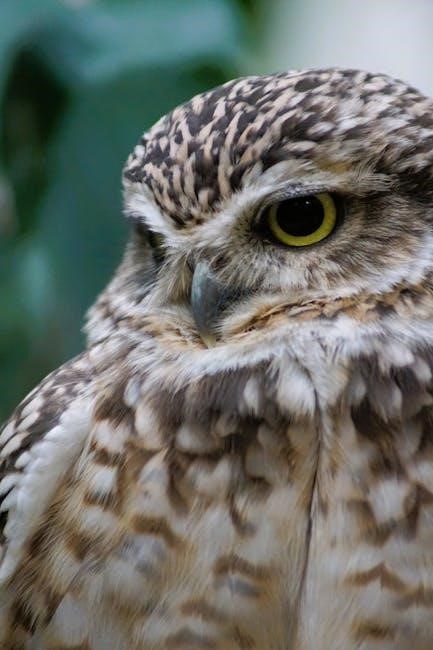
The most recognized “hooters” are undoubtedly owls, whose vocalizations are central to their communication, territorial defense, and mating rituals within diverse ecosystems.
Species Identification by Hoot
Distinguishing owl species relies heavily on analyzing their unique hoot characteristics. Each species possesses a distinct vocal signature, varying in pitch, rhythm, and tonal quality. Experienced birdwatchers can often identify owls simply by ear, a skill honed through practice and familiarity with regional owl populations.
The complexity of owl hoots extends beyond simple calls; they incorporate a range of vocalizations, including whistles, screeches, and even clicks. These variations contribute to a nuanced communication system used for attracting mates, defending territory, and warning off rivals. Accurate species identification requires careful attention to these subtle differences, often aided by spectrogram analysis of recorded hoot sounds. Recognizing these nuances is crucial for both scientific study and responsible owl observation.
Barred Owl Hoot Characteristics
The Barred Owl (Strix varia) is renowned for its distinctive hoot, often described as a series of “Who cooks for you? Who cooks for you-all?” This memorable phrase isn’t a literal question, but a territorial declaration and mating call. The hoot is relatively low-pitched and resonant, carrying well through forested habitats.
Barred Owl hoots typically consist of a four-note phrase, repeated several times, with a characteristic rising and falling inflection. Variations in tempo and volume can indicate the owl’s emotional state or the urgency of its message. Younger Barred Owls may produce less refined hoots, gradually developing the full vocal repertoire with maturity. Distinguishing their call from other owls requires attention to this unique phrasing and tonal quality.
Great Horned Owl Hoot Characteristics
The Great Horned Owl (Bubo virginianus) possesses a deep, booming hoot, markedly different from the Barred Owl’s call. Often described as a low, resonant “hoo-h’HOO-hoo-hoo,” its vocalization is powerful and can be heard over considerable distances. This owl’s hoot is characterized by a distinct emphasis on the second syllable, creating a dramatic and imposing sound.
Great Horned Owls exhibit a wider range of vocalizations than many other species, including variations in pitch, tempo, and the number of hoots per phrase. They utilize these variations for diverse communication purposes, from establishing territory to attracting mates. Their hooting often begins softly, gradually increasing in volume, and can be surprisingly loud, especially during breeding season. Recognizing this powerful, resonant call is key to identification.

Spotted Owlet Vocalizations
The Spotted Owlet (Athene brama) presents a unique vocal repertoire, differing significantly from the deeper hoots of larger owl species. Rather than a classic “hoo,” Spotted Owlets produce a series of shrill, whistling notes, often described as a “kee-wick” or “hoo-ee” sound. These calls are relatively high-pitched and can be surprisingly loud for a bird of its small size.
Spotted Owlets also employ a variety of other vocalizations, including chirps, squeaks, and a distinctive, accelerating series of notes resembling a laugh. These varied sounds are used for communication within pairs, territorial defense, and interactions with young. Distinguishing the Spotted Owlet’s calls from other owls requires careful attention to the pitch and quality of the sound, as it lacks the resonant depth of many larger species.
Understanding Owl Hoot Frequencies
Owl hoot frequencies vary considerably between species, influenced by size, vocal cord structure, and habitat. Generally, larger owls, like the Great Horned Owl, produce lower frequency hoots that travel further distances, penetrating dense forests more effectively. These low frequencies often fall within the 100-300 Hz range.
Smaller owls, such as the Spotted Owlet, exhibit higher frequency calls, typically between 400-800 Hz. These higher pitches are less effective at long-range transmission but are better suited for communication in more open environments. Analyzing spectrograms – visual representations of sound frequencies – reveals distinct patterns for each species. Environmental factors, like temperature and humidity, can also subtly alter hoot frequencies, impacting their propagation and detectability.
The Purpose of Owl Hooting: Communication & Territory
Owl hooting serves multiple crucial communication functions, primarily related to territorial defense and mate attraction. Hooting establishes and maintains territorial boundaries, warning other owls to stay away. These vocalizations signal ownership of prime hunting grounds and nesting sites. Different hoot patterns can convey specific messages, such as warnings of intruders or declarations of availability for mating.
During breeding season, hooting becomes particularly frequent as owls actively seek partners. Duetting, where a male and female exchange hoots, strengthens pair bonds and synchronizes breeding activities. Beyond these core functions, hoots can also be used for general contact and to locate family members. The complexity of hooting behavior highlights the sophisticated social lives of these nocturnal predators.

Hooters as Signals & Warnings
Historically, “hooters” functioned as audible signals—foghorns at sea and industrial warnings— alerting to danger or marking specific times, ensuring safety and coordination.
Hooters in Industrial Settings: Historical Use
Throughout the 19th and 20th centuries, hooters played a crucial role in industrial environments, serving as more than just timekeeping devices. Factories widely adopted steam whistles and electric hooters to demarcate the start and end of shifts, signaling breaks for workers, and coordinating complex manufacturing processes. These loud, distinctive sounds cut through the noise of machinery, ensuring all personnel were aware of schedule changes.
Beyond time signals, hooters were vital safety mechanisms. They alerted workers to emergencies – fires, machine malfunctions, or impending accidents – prompting immediate evacuation or corrective action. Different hooter patterns often signified specific events, creating a coded system understood by the workforce. The reliance on hooters diminished with the advent of more sophisticated communication systems, like intercoms and public address systems, but their historical significance remains a testament to a bygone era of industrial life.

Hooters in Maritime History: Fog Signals
Historically, maritime environments heavily relied on “hooters” – specifically, fog signals – to prevent collisions during periods of reduced visibility. Before radar and advanced navigational tools, dense fog posed a significant threat to shipping. Fog signals, often utilizing powerful air sirens or steam whistles, emitted distinct sound patterns to warn vessels of nearby land, hazards, or the presence of other ships.
These signals weren’t simply random blasts; each location often had a unique sonic signature – a specific interval and character of the hoot – allowing sailors to identify their approximate position. Lighthouses frequently incorporated fog signals, supplementing visual warnings when obscured by weather. The effectiveness of these hooters was paramount, demanding robust construction and reliable operation. As technology advanced, more sophisticated electronic foghorns replaced the older mechanical systems, but the fundamental principle of audible warning remained constant.

Modern Applications of “Hooter”
Today, “hooter” extends beyond its origins, encompassing mascots, branding strategies like the restaurant chain, and evolving into innovative communication systems and AI-driven identification.
Hooter as a Mascot & Branding
The term “hooter” has transcended its original definitions to become a recognizable element in modern branding, most notably as a mascot. This evolution demonstrates the power of language appropriation and its impact on consumer culture. Beyond simple recognition, the “hooter” imagery often evokes a sense of playful energy or, depending on context, a more provocative association.
Companies strategically employ such imagery to create memorable brand identities, aiming for instant recall and emotional connection with their target audiences. The success of a “hooter”-based mascot hinges on careful consideration of cultural sensitivities and potential misinterpretations. Effective branding leverages the inherent attention-grabbing quality of the term while mitigating any negative connotations. This careful balancing act is crucial for long-term brand sustainability and positive public perception.
Hooters Restaurant Chain: A Cultural Phenomenon
The Hooters restaurant chain represents a significant case study in branding, cultural impact, and public perception. Founded in 1983, it quickly became known for its unique dining experience centered around waitresses – known as “Hooters Girls” – and a casual, sports-bar atmosphere. The brand’s success sparked considerable debate regarding its marketing strategies and the objectification of women, leading to ongoing controversies.
Despite criticism, Hooters achieved widespread recognition and expanded internationally, becoming a cultural touchstone for some and a symbol of problematic gender dynamics for others. Its history illustrates the complex interplay between commercial success, societal values, and evolving attitudes towards representation. The chain’s enduring presence demonstrates a continued demand, albeit a contested one, for its particular brand of entertainment and dining.
The History of the Hooters Restaurant Brand
Hooters began in 1983 in Clearwater, Florida, conceived by Lynn Stewart and Ed Droste. Initially, the concept faced skepticism, but the founders believed a themed restaurant with friendly servers could succeed. The name “Hooters” was chosen after a brainstorming session, referencing the owl mascot and aiming for a playful, memorable brand. The original restaurant quickly gained popularity, attracting a loyal customer base drawn to the casual atmosphere and distinctive service.
Expansion followed rapidly, fueled by a franchising model. By the late 1980s, Hooters had established a national presence, becoming synonymous with wings, beer, and its signature waitstaff. The brand’s early success was built on a consistent image and a focus on creating a lively, sports-centric environment. This foundation allowed Hooters to evolve into a globally recognized chain, though not without facing scrutiny.
Controversies and Public Perception of Hooters
Hooters has consistently faced criticism regarding its objectification of women, sparking debates about its impact on societal norms. Feminist groups and activists have protested the brand’s emphasis on appearance, arguing it perpetuates harmful stereotypes and contributes to a culture of sexualization. These concerns have led to boycotts and public discussions about the ethics of the Hooters business model.
Despite the controversy, Hooters maintains a significant following, with many customers viewing it as harmless entertainment. The brand defends its practices, emphasizing that employment is voluntary and servers are compensated well. Public perception remains divided, reflecting broader societal tensions surrounding gender roles and representation. The brand has attempted to modernize its image, but the core concept continues to draw both support and opposition.

Hooters in Pop Culture & Media
Hooters’ distinctive branding has permeated film, television, and music, often appearing as a recognizable backdrop or subject of cultural commentary and references.
Hooters in Film and Television
The Hooters restaurant chain’s unique aesthetic and brand identity have inevitably found their way into various film and television productions. While not always central to the plot, Hooters locations frequently serve as recognizable settings, often utilized to quickly establish a particular atmosphere or geographic location. These appearances range from brief background shots establishing a sense of place to more prominent scenes where the restaurant itself plays a minor role in the narrative.
The visual distinctiveness of the Hooters brand – its orange and white color scheme, iconic logo, and the uniforms of its waitstaff – makes it easily identifiable on screen. This visual shorthand can be employed by filmmakers to convey specific connotations related to Americana, casual dining, or even a certain level of playful, lighthearted energy. The presence of a Hooters restaurant can subtly influence the audience’s perception of the scene and the characters within it, adding layers of meaning beyond the immediate dialogue or action. Further research is needed to catalog all instances of Hooters appearances in media.
Hooters in Music & Song Lyrics
References to “hooters,” both as a colloquial term and in connection with the restaurant chain, occasionally surface within music and song lyrics. These mentions are often playful or allusive, leveraging the term’s double meaning – referencing both the sound-making device and, more commonly, the female form. The context of these lyrical appearances varies widely, ranging from lighthearted pop songs to more edgy or satirical compositions.
Analyzing these musical references provides a glimpse into the cultural perception of “hooters” and its evolving connotations. The use of the term can be interpreted as a form of cultural commentary, reflecting societal attitudes towards femininity, consumerism, and the restaurant’s brand image. While direct lyrical references may be infrequent, the cultural impact of Hooters often permeates broader themes explored in music, influencing artistic expression and resonating with audiences. A comprehensive discography cataloging these instances remains to be compiled.
Technical Aspects of Hooter Sound Production
Examining hooter sound design involves synthesis techniques and spectrogram analysis, revealing frequency patterns and waveforms crucial for replication and understanding acoustic properties.
Hooter Sound Design & Synthesis
The creation of hooter sounds, both naturalistic and artificial, relies on a diverse toolkit of sound design principles and synthesis methods. Initially, replicating owl hoots involved meticulous field recordings, analyzed for their spectral characteristics – the unique blend of frequencies that define each species’ call. Early attempts at synthesis utilized analog oscillators and filters to approximate these complex waveforms.
However, the advent of digital audio workstations (DAWs) and virtual instruments revolutionized the process. Techniques like frequency modulation (FM) synthesis and additive synthesis allow designers to build hooter sounds from the ground up, precisely controlling each harmonic component. Granular synthesis, manipulating tiny audio fragments, can create textured and evolving hoot-like sounds.
Furthermore, convolution reverb, using impulse responses from forests or industrial spaces, adds realistic ambience. Modern sound libraries offer pre-designed hooter sounds, but skilled designers often layer and modify these to achieve unique results, tailoring the sound to specific applications – from film sound effects to alarm systems.
Analyzing Hooter Sound Waves (Spectrograms)
Spectrograms are invaluable tools for visually dissecting hooter sounds, revealing hidden complexities beyond simple auditory perception. These visual representations plot frequency over time, with intensity indicated by color. Analyzing a hooter’s spectrogram allows identification of key characteristics – fundamental frequency, harmonic structure, and the presence of unique elements like tremolo or phasing.
Different owl species exhibit distinct spectrogram patterns. Barred Owl hoots, for example, often display a characteristic rising-falling frequency sweep, while Great Horned Owls produce deeper, more resonant calls with prominent harmonics. Industrial hooters, conversely, typically show simpler, more consistent frequency bands.
Software like Audacity or specialized acoustic analysis programs facilitate spectrogram creation and detailed examination. Researchers use spectrograms to track hooter variations, identify individual birds, and monitor population trends. Understanding these visual representations unlocks a deeper comprehension of hooter communication and design.

Hooters and Birdwatching
Birdwatchers utilize hooter identification skills to locate owls, employing resources like field guides and online databases for accurate species recognition and ethical observation.
Resources for Identifying Owl Hooters
Numerous resources aid in deciphering owl vocalizations. Cornell University’s All About Birds website provides extensive audio recordings and detailed descriptions of hoot patterns for various North American owl species. The Xeno-canto collaborative website offers a vast library of bird sounds, including owl hoots, contributed by birders worldwide, allowing for regional variation analysis.
Field guides specifically dedicated to owls, such as the “Peterson Field Guide to Owls,” include sonograms and written descriptions of hoot characteristics. Smartphone applications like Merlin Bird ID, developed by the Cornell Lab of Ornithology, can assist with real-time identification based on sound recordings. Online forums and birding communities also provide platforms for sharing observations and seeking expert advice on hooter identification, fostering collaborative learning and accurate species confirmation.
Ethical Considerations for Owl Observation
Responsible owl observation prioritizes minimizing disturbance to these sensitive creatures. Avoid using playback of owl calls excessively, as it can disrupt natural behaviors like hunting and breeding. Maintain a respectful distance from nesting sites, especially during critical periods, to prevent stress or abandonment of eggs and young.
Refrain from using bright lights to locate owls, as this can disorient them and interfere with their nocturnal activities. Share observations responsibly, avoiding precise location details of sensitive nesting sites to protect them from potential disturbance or harassment. Support habitat conservation efforts to ensure the long-term survival of owl populations and their natural environments, promoting ethical and sustainable birding practices.

Future Trends in Hooter Technology
Emerging AI applications promise accurate hooter identification, while evolving communication systems may leverage hooter-based signals for innovative, targeted messaging solutions.
AI-Powered Hooter Identification Apps
The development of sophisticated, AI-driven mobile applications represents a significant leap forward in hooter identification technology. These apps utilize advanced machine learning algorithms, trained on vast datasets of hooter recordings – encompassing diverse owl species, industrial signals, and even synthesized sounds. Users can simply record a hooter sound using their smartphone, and the app will analyze the audio, providing a near-instantaneous identification with a high degree of accuracy.
Beyond simple species identification, these apps are poised to offer detailed information about the source of the hooter, including potential behavioral context (e.g., mating call, territorial defense). Future iterations may incorporate geolocation data to map hooter activity, contributing to citizen science initiatives and ecological research. The integration of spectrogram analysis within the app interface will empower users to visually examine sound waves, enhancing their understanding of hooter characteristics. Such tools promise to democratize access to acoustic analysis, benefiting both amateur enthusiasts and professional ornithologists alike.
The Evolution of Hooter-Based Communication Systems
Historically, hooters served as crucial, localized communication tools, particularly in environments where visual signals were limited. From the fog signals of maritime history – utilizing powerful hooters to warn ships of dangerous conditions – to the industrial hooters marking shift changes and emergencies, these systems were vital for safety and coordination. Early iterations relied on mechanical devices, like steam whistles and air compressors, to generate the distinctive sounds.
Modern advancements are exploring the potential of digitally synthesized hooters for more nuanced communication. AI-powered systems could generate hooters with varying frequencies and patterns to convey specific messages, potentially replacing traditional alarm systems in certain contexts. Furthermore, the integration of hooter-based signals with IoT (Internet of Things) devices could create smart environments where alerts are delivered audibly and intelligently, adapting to individual needs and environmental conditions. This evolution signifies a shift from simple warnings to complex, information-rich communication.