
Shivananda Lahari Telugu PDF: A Comprehensive Guide
Shivananda Lahari, a revered text, is readily accessible in Telugu PDF format through resources like hsnef.org and the Internet Archive, facilitating widespread study.
These digital versions, published as early as 2003, offer convenient access to G.L.N. Shastri’s work, preserving a vital piece of Telugu literary heritage.
Shivananda Lahari is a significant work of devotional poetry, deeply rooted in Shaiva philosophy. The Telugu PDF versions currently available allow a broader audience to engage with this classic text. Originally composed in Sanskrit, its Telugu translation, authored by G.L.N. Shastri, has become a cornerstone of Telugu literature.
This text isn’t merely a translation; it’s a re-creation, imbued with the linguistic beauty and cultural nuances of the Telugu language. The readily accessible PDFs, sourced from platforms like hsnef.org and the Internet Archive, ensure the preservation and dissemination of this spiritual and literary treasure. These digital copies facilitate both scholarly study and personal devotion, offering a pathway to understanding the profound insights contained within Shivananda Lahari.
The work’s enduring appeal lies in its lyrical quality and its exploration of the devotee’s relationship with Lord Shiva.
Historical Context of the Text
The original Sanskrit Shivananda Lahari’s origins trace back centuries, establishing a rich tradition of Shaiva devotional literature. G.L.N. Shastri’s Telugu translation, with a digital publication date of April 30, 2003, as noted in the Internet Archive metadata, represents a crucial moment in its accessibility.
The translation itself emerged within a vibrant period of Telugu literary activity, aiming to bridge the gap between Sanskrit scholarship and a wider Telugu-speaking audience. The Digital Library of India’s preservation of this work (item 2015.386727) underscores its cultural importance. The availability of the Telugu PDF, particularly since 2017, reflects a growing trend towards digitizing and preserving classical texts, ensuring their continued relevance for future generations.
This context highlights the text’s journey through time and translation;
G;L.N. Shastri is credited as the author of the Telugu translation of Shivananda Lahari, a significant contribution to Telugu literature and devotional practice. Metadata from the Internet Archive (item 2015.386727) explicitly identifies him as dc.contributor.author.
While detailed biographical information readily available online is limited, Shastri’s work demonstrates a deep understanding of both Sanskrit and Telugu, enabling a faithful and accessible rendering of the original text. His translation facilitated wider engagement with the philosophical and devotional themes inherent in Shivananda Lahari.
The enduring availability of the Telugu PDF versions, sourced from platforms like hsnef.org and the Internet Archive, ensures Shastri’s legacy continues to inspire and educate.
Significance of Shivananda Lahari in Telugu Literature
Shivananda Lahari holds a prominent position within Telugu literature due to its profound philosophical insights and devotional fervor. G.L.N. Shastri’s Telugu translation broadened its reach, making the text accessible to a wider audience beyond Sanskrit scholars.
The work’s significance lies in its ability to synthesize complex philosophical concepts with heartfelt devotion, resonating deeply with Telugu-speaking devotees. The availability of the text in PDF format, sourced from platforms like hsnef.org and the Internet Archive, ensures its continued preservation and study.
Its enduring popularity underscores its cultural and religious importance, solidifying its place as a cornerstone of Telugu literary tradition.

Understanding the Content
Shivananda Lahari’s Telugu PDF reveals core themes of devotion and philosophical underpinnings, structured to guide readers through profound spiritual concepts and practices.
Core Themes and Philosophical Underpinnings
Shivananda Lahari, as presented in the Telugu PDF versions, deeply explores the essence of devotion – Bhakti – towards Lord Shiva. The text isn’t merely a collection of verses; it’s a philosophical journey examining the relationship between the devotee and the divine.
Central to its teachings is the concept of surrender and the dissolving of the ego. The verses articulate a longing for union with Shiva, achieved through intense devotion and self-realization. The philosophical underpinnings draw heavily from Shaiva Siddhanta, emphasizing the path to liberation (moksha) through grace and divine intervention.
The Telugu translation preserves these core themes, allowing readers to delve into the profound spiritual insights embedded within the original Sanskrit verses. It’s a text designed to inspire introspection and a deeper connection with the divine.
The Structure of Shivananda Lahari
Shivananda Lahari, available in Telugu PDF format, is structured as a series of 108 verses, traditionally recited as a stava – a hymn of praise. The verses aren’t arranged randomly; they follow a logical progression, building upon each other to create a cohesive devotional experience.
The structure can be broadly divided into sections focusing on different aspects of Shiva’s glory and the devotee’s yearning. While a strict thematic division isn’t always apparent, a flow exists, moving from initial prostrations and descriptions of Shiva’s attributes to more intimate expressions of love and surrender.
The Telugu PDF versions faithfully reproduce this structure, allowing readers to follow the original arrangement and appreciate the carefully crafted sequence of verses. This structure enhances the meditative quality of the text;
Key Concepts Explained
The Shivananda Lahari, accessible via Telugu PDF, centers around core Shaiva concepts. A primary theme is Bhakti – intense devotion – as the path to liberation. The text elaborates on Shiva’s five faces (Panchamukha) representing creation, preservation, destruction, illusion, and grace.

Another key concept is the inherent unity between the individual soul (Atman) and the universal consciousness (Brahman), embodied by Shiva. The verses frequently allude to the power of mantra and the importance of inner purification.
The Telugu PDF versions, while translations, strive to convey these nuanced concepts. Understanding these foundational ideas is crucial for appreciating the depth and philosophical richness of the Shivananda Lahari.
Devotional Aspects and Bhakti
The Shivananda Lahari, readily available as a Telugu PDF, is profoundly steeped in Bhakti – a fervent, loving devotion to Lord Shiva. The verses aren’t merely philosophical treatises; they are expressions of intense longing and surrender.
The text emphasizes the transformative power of devotion, suggesting that sincere worship can dissolve ego and lead to spiritual realization. The Telugu translation aims to retain this emotional resonance, allowing readers to connect with the devotional fervor of the original Sanskrit.
Through vivid imagery and heartfelt pleas, the Shivananda Lahari encourages a deeply personal relationship with the divine, making it a powerful tool for spiritual practice.
Availability of the Telugu PDF
Shivananda Lahari’s Telugu PDF is accessible via hsnef.org and the Internet Archive, offering free downloads and streaming for scholarly and devotional purposes.
Source 1: hsnef.org
hsnef.org provides a direct link to the Shivananda Lahari Telugu PDF, readily available for download as of March 13, 2024. The file, titled “Sivanandalahari-Telugu.pdf,” is hosted within their uploads section.
This source offers a convenient and accessible pathway to engage with G.L.N. Shastri’s translation. Users can easily locate and retrieve the PDF for personal study, recitation, or research. The website’s straightforward presentation ensures a user-friendly experience.

While further details regarding the specific edition or any accompanying notes aren’t explicitly stated on the page, the availability itself is a significant contribution to the text’s accessibility. It serves as a valuable resource for those seeking the Telugu version of this important work.
Source 2: Internet Archive
The Internet Archive hosts a digitized copy of Shivananda Lahari in Telugu, sourced from the Digital Library of India (Item 2015.386727). This version credits G.L.N. Shastri as the author and CCL as a contributing entity.
Accessioned on September 9, 2015, and digitally published on April 30, 2003, this archive offers a historical perspective on the text’s availability. The file size is substantial at 323.4MB, suggesting a comprehensive scan. Metadata indicates a citation date of 2001 and a barcode of 02020120.
The Internet Archive provides options for download, borrowing, and streaming, promoting wider access to this important literary work. It’s a valuable resource for preservation and scholarly research.
Accessing and Downloading the PDF
Shivananda Lahari’s Telugu PDF is readily available for access and download from both hsnef.org and the Internet Archive. On hsnef.org, a direct link facilitates immediate download of the file. The Internet Archive offers options for borrowing the PDF for limited periods or downloading it for offline access.
Users may need to create a free account on the Internet Archive to utilize the borrowing or download features. Both platforms provide straightforward interfaces for locating and obtaining the PDF. Ensure a stable internet connection for a smooth download experience, given the file size of approximately 323.4MB from the Internet Archive.
Verifying PDF Authenticity
When accessing the Shivananda Lahari Telugu PDF, verifying its authenticity is crucial. Both hsnef.org and the Internet Archive are reputable sources, increasing confidence in the file’s integrity. Cross-referencing metadata details can further confirm authenticity.
The Internet Archive’s record indicates a digital publication date of April 30, 2003, and a citation date of 2001, offering a timeline for verification. Checking the dc.contributor.author as G.L.N. Shastri aligns with known authorship. Comparing content snippets with known verses can also help. Be cautious of PDFs from unverified sources, and prioritize downloads from established digital libraries to ensure accuracy.
Analyzing the Telugu Translation
Shivananda Lahari’s Telugu translation, authored by G.L.N. Shastri, requires analysis for accuracy and linguistic nuances, especially when compared to the original Sanskrit text.
Accuracy of the Translation
Evaluating the Telugu translation of Shivananda Lahari necessitates a careful comparison with the original Sanskrit verses. Determining the fidelity of the translation involves assessing whether the core philosophical concepts and devotional sentiments are accurately conveyed.
Given G.L.N. Shastri’s authorship, a strong understanding of both Sanskrit and Telugu is presumed, suggesting a high degree of accuracy. However, subtle nuances in poetic expression and spiritual meaning can be challenging to replicate perfectly across languages.
Researchers should examine specific verses, identifying potential areas where interpretive choices might have been made, and how these choices impact the overall understanding of the text. The 2003 digital publication date suggests a relatively established translation, but ongoing scrutiny remains valuable.
Linguistic Features of the Telugu Version
The Telugu translation of Shivananda Lahari, authored by G.L.N. Shastri, likely employs a classical Telugu style, reflecting the era of its publication – with a digital version dating back to 2003.
This would involve a sophisticated use of vrittams (metrical forms) and alankaras (figures of speech) common in traditional Telugu poetry. Examining the text reveals the translator’s skill in adapting Sanskrit concepts into Telugu grammatical structures and idiomatic expressions.
Analysis should focus on the vocabulary used, noting any archaic terms or specialized terminology related to Shaiva philosophy. The translation’s success hinges on maintaining the lyrical quality and devotional tone of the original Sanskrit while remaining accessible to Telugu readers.
Comparison with the Original Sanskrit
A detailed comparison between the Telugu translation of Shivananda Lahari and the original Sanskrit text is crucial for assessing its fidelity and artistic merit. This involves examining how effectively the translator, G.L.N. Shastri, conveys the nuances of Sanskrit grammar, meter, and philosophical concepts.
Key areas of focus include the rendering of complex Sanskrit compounds into Telugu, the preservation of the original’s poetic rhythm, and the accurate transmission of Shaiva theological ideas. Discrepancies, if any, should be analyzed to understand whether they stem from translational challenges or interpretive choices.
Such a comparative study illuminates the translator’s skill and provides insights into the cultural and linguistic context of the Telugu version.

Using the PDF for Study and Practice
The Telugu PDF of Shivananda Lahari supports focused study, recitation, and applying its teachings, deepening understanding and fostering spiritual growth for practitioners.
Study Aids and Resources
Accessing the Shivananda Lahari Telugu PDF opens avenues for deeper engagement with the text, though dedicated study aids are not explicitly detailed in the provided sources. However, the availability of the text itself is a primary resource.
Researchers and devotees can utilize comparative analyses with the original Sanskrit version to clarify nuances in translation. Furthermore, exploring commentaries on Shivananda Lahari – even those focused on the Sanskrit – can provide valuable context.
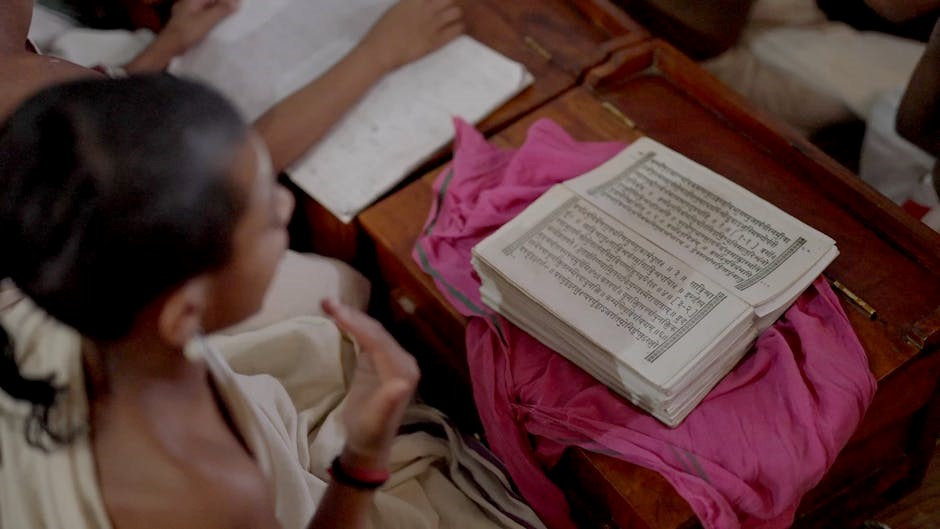
Online forums and communities dedicated to Telugu literature and Shaivism may offer discussions and interpretations. The Digital Library of India, where the PDF is archived, could potentially host related materials or links to further resources. Careful examination of the PDF’s metadata (dc.contributor, dc.date) might reveal additional scholarly connections.
Recitation and Chanting Practices
While the provided sources concerning the Shivananda Lahari Telugu PDF don’t detail specific recitation practices, the text’s devotional nature strongly suggests its suitability for chanting and parayana (religious recitation).
Traditionally, Sanskrit texts like this are often recited with proper pronunciation and intonation to enhance their spiritual impact. Translating this practice to Telugu requires attention to the linguistic features of the version.
Devotees may choose to recite verses individually or as a complete lahari (wave), focusing on the bhakti (devotion) inherent in the verses. The PDF format allows for easy access during practice, and recording oneself can aid in perfecting pronunciation.
Applying the Teachings in Daily Life
The Shivananda Lahari, even through its Telugu PDF translation, offers profound philosophical insights applicable to everyday living. While the specific teachings aren’t detailed in the source material, the text’s core themes likely revolve around devotion, self-realization, and the nature of reality.
Readers can integrate these concepts by cultivating mindfulness, practicing gratitude, and striving for inner peace. The verses may inspire a deeper connection with spirituality and a more compassionate outlook.
Regular study of the PDF, coupled with reflection on its meaning, can foster personal growth and a more purposeful existence. The accessibility of the digital format encourages consistent engagement with these timeless principles.

Technical Details of Available PDFs
Shivananda Lahari Telugu PDFs vary in size, with the Internet Archive version reaching 323.4MB. Publication dates range from 2003 to more recent updates.
File Size and Format
Shivananda Lahari Telugu PDFs are predominantly offered in a standard PDF format, ensuring broad compatibility across various devices and operating systems. The file size, however, demonstrates some variation depending on the source and potential inclusion of supplementary materials.
Notably, the version available through the Internet Archive is a substantial 323.4MB. This larger size likely encompasses high-resolution scans of the original text, potentially including detailed illustrations or annotations. Conversely, the PDF hosted on hsnef.org may present a more compressed file size, prioritizing ease of download and accessibility.
Users should consider their internet bandwidth and storage capacity when selecting a PDF version. Both formats, however, maintain the integrity of the text, allowing for detailed study and analysis of Shivananda Lahari in Telugu.
Publication Dates and Versions
Tracing the publication history of the Shivananda Lahari Telugu PDF reveals a timeline spanning several years. The Digital Library of India indicates a digital publication date of April 30, 2003, marking an early effort to preserve and disseminate this important text. However, the item was accessioned into the archive on September 9, 2015.
More recently, a version was published on hsnef.org on March 13, 2024, suggesting ongoing efforts to provide updated or reformatted digital copies. The original work, as cited in metadata, dates back to 2001. These varying dates reflect different stages of digitization, preservation, and distribution of G.L.N. Shastri’s translation.
Researchers should note these dates when referencing specific PDF versions.
Digital Library of India Information
The Digital Library of India (DLI) hosts a significant version of the Shivananda Lahari Telugu PDF (Item 2015.386727). Key metadata details provide valuable context. The author is consistently identified as G.L;N. Shastri, with CCL acknowledged as a contributing entity. Accessioning occurred on September 9, 2015, ensuring its preservation within the DLI’s extensive collection.
The DLI record highlights the book’s origin and its commitment to making cultural heritage accessible. The item size is 323.4MB, indicating a comprehensive digital reproduction. Furthermore, the citation date is noted as 2001, referencing the original publication timeframe. This DLI resource is crucial for scholarly research and wider access to this Telugu literary work.
Metadata Details (dc.contributor, dc.date)
Detailed metadata associated with the Shivananda Lahari Telugu PDF provides crucial information about its provenance and history. The dc.contributor.author is clearly identified as G.L.N. Shastri, acknowledging his authorship of the text. Additionally, dc.contributor.other credits CCL for their involvement, potentially in digitization or publication support.
Several dc.date fields are present. dc.date.accessioned is September 9, 2015, marking the date the item was added to the archive. dc.date.available also reflects this date. Notably, dc.date.digitalpublicationdate is April 30, 2003, indicating when the digital version was initially released. The dc.date.citation is 2001, referencing the original work’s timeframe.
Future Research and Preservation
Shivananda Lahari’s Telugu PDF warrants continued digital preservation efforts and further scholarly investigation into its linguistic nuances and cultural significance.
Preserving the Digital Text
Ensuring the long-term accessibility of the Shivananda Lahari Telugu PDF requires proactive digital preservation strategies. Given the availability on platforms like hsnef.org and the Internet Archive, regular backups and format migration are crucial.
The Internet Archive’s commitment to archiving, including its Wayback Machine, offers a potential safeguard against link rot and data loss. Metadata details, such as dc.date.digitalpublicationdate (30-04-2003) and dc.date.accessioned (2015-09-09T15:33:52Z), should be meticulously maintained.
Furthermore, exploring partnerships with digital libraries like the Digital Library of India, which originally sourced the text (Item 2015.386727), could bolster preservation efforts. Consistent monitoring of file integrity and adherence to established digital archiving standards are paramount to protect this valuable resource for future generations.
Potential for Further Study
The readily available Shivananda Lahari Telugu PDF opens avenues for diverse scholarly investigations. Comparative linguistic analysis between the Telugu translation and the original Sanskrit text, as suggested by the PDF’s existence, warrants exploration.
Researchers could examine the accuracy of G.L.N. Shastri’s translation, considering the nuances of both languages and the philosophical underpinnings of the work. Investigating the impact of the text within the broader context of Telugu literature is also vital.
Furthermore, a study of the PDF’s metadata (dc.contributor.author, dc.date.citation) could reveal insights into its publication history and reception. Digital humanities approaches, utilizing text mining and data analysis, could uncover hidden patterns and themes within the Telugu version.