
Corduroy Fabric: A Comprehensive Overview (as of 03/23/2026)
Corduroy’s ancient origins trace back to Egypt’s fustian and Al-Fustat, evolving through Manchester’s mills during the Industrial Revolution, gaining traction as durable workwear and later, a 1960s fashion staple.
Historical Origins of Corduroy
Corduroy’s remarkable history extends far beyond its 20th-century resurgence, deeply rooted in ancient textile traditions. The story begins in ancient Egypt, specifically with a fabric known as fustian, a precursor showcasing similar woven structures. Further back, the city of Al-Fustat, near the Nile River, served as an early center for developing these textured materials around 200 AD.
However, the corduroy we recognize today truly materialized in 18th-century England, within the bustling textile mills of Manchester during the Industrial Revolution. Initially perceived as a more affordable alternative to velvet – often dubbed “the poor man’s velvet” – corduroy’s practicality and durability quickly established it as a favored fabric for laborers throughout the Middle Ages and into the 19th century.
Over time, it transitioned from strictly workwear to gain appeal among students and those embracing outdoor lifestyles. While present in Europe for centuries, corduroy’s global expansion didn’t fully occur until the 20th century, experiencing a significant surge in popularity during the vibrant 1970s, solidifying its place in fashion history;
Ancient Precursors: Fustian and Al-Fustat
The lineage of corduroy isn’t a sudden invention, but rather an evolution stretching back millennia. Its earliest identifiable ancestor is fustian, a fabric produced in ancient Egypt, demonstrating a similar construction with raised ribs. This early form of textured cloth laid the groundwork for what would eventually become corduroy.
Significantly, the city of Al-Fustat, located near the Nile River, emerges as a crucial origin point. Around 200 AD, Al-Fustat became a hub for textile innovation, with artisans experimenting with weaving techniques that produced fabrics bearing resemblance to corduroy’s characteristic pile. While not precisely corduroy as we know it, these early textiles represent a foundational step in its development.
These ancient fabrics weren’t merely aesthetic choices; their construction offered practical benefits. The raised ribs provided a degree of insulation and durability, making them suitable for various applications. The techniques employed in Al-Fustat and the subsequent development of fustian demonstrate a long-standing human desire for textured, functional fabrics, ultimately paving the way for corduroy’s emergence centuries later.
The 18th Century: Manchester and the Industrial Revolution
The modern iteration of corduroy, the fabric we recognize today, truly began to take shape in 18th-century Manchester, England. This period coincided with the burgeoning Industrial Revolution, a time of unprecedented technological advancement in textile production. Manchester quickly became a global center for cotton manufacturing, providing the ideal environment for corduroy’s development.
The introduction of mechanized looms and other innovations dramatically increased the speed and efficiency of fabric production. This allowed manufacturers to experiment with different weaves and textures, refining the corduroy construction. While the exact origins within Manchester remain somewhat obscure, it’s clear that the city’s textile mills were instrumental in transforming earlier forms of ribbed fabrics into the corduroy we know.
This era marked a shift from small-scale, artisanal production to large-scale industrial manufacturing. Manchester’s access to raw materials, coupled with its innovative spirit, cemented its role as the birthplace of modern corduroy, setting the stage for its eventual global popularity.
Etymology of “Corduroy”: “Cord du Roi” and its Debate
The origin of the name “corduroy” is a subject of ongoing discussion among textile historians, with the most popular theory attributing it to the French phrase “cord du roi,” meaning “cord of the king.” This suggests a historical association with royalty, implying the fabric was once reserved for the elite. However, this explanation isn’t universally accepted and remains largely debated.
Some scholars propose that the name is a corruption of the English phrase “cords made of royalty,” a playful nod to the fabric’s textured appearance. Others suggest a more practical origin, simply describing the “cords” that characterize the fabric’s distinctive ribbed texture. Regardless of the precise etymology, the name evokes a sense of quality and durability.
Interestingly, textile archives point to earlier conceptions of the fabric originating in Fustat, Egypt, around 200 AD, predating any French royal connection. Despite this, the “cord du roi” narrative persists, adding a layer of romanticism to corduroy’s history and contributing to its enduring appeal.
Corduroy as Workwear: Middle Ages and 19th Century
Throughout the Middle Ages, corduroy emerged as a practical and resilient fabric favored by laborers. Its sturdy, ridged construction offered exceptional durability, making it ideal for the demanding conditions of manual work. This early iteration of corduroy wasn’t the refined textile we recognize today, but a robust material built to withstand wear and tear.
By the 19th century, corduroy’s reputation as dependable workwear continued to solidify. It became a staple in the wardrobes of farmers, miners, and factory workers, providing both comfort and protection. The fabric’s inherent warmth also made it suitable for outdoor occupations, shielding wearers from the elements.
Over time, corduroy transitioned from purely functional attire to a more versatile option, gaining popularity among students and outdoor enthusiasts. This shift marked the beginning of corduroy’s broader appeal, paving the way for its eventual embrace by mainstream fashion in the 20th century, while still retaining its association with practicality.
Corduroy’s Rise in Popularity: The 1960s and 1970s
Initially perceived as a “poor man’s velvet,” corduroy experienced a dramatic resurgence in the late 1960s, shedding its humble origins and stepping into the spotlight as a versatile and fashionable fabric. This surge in popularity coincided with a broader cultural shift towards more casual and comfortable clothing styles.
The 1970s cemented corduroy’s place in the fashion landscape. It became a defining textile of the decade, appearing in a wide array of garments, from bell-bottom trousers and fitted jackets to dresses and skirts. The fabric’s tactile finish and warm texture resonated with the era’s emphasis on natural materials and earthy tones.

Corduroy’s durability and affordability further contributed to its widespread adoption. It offered a stylish yet practical alternative to more expensive fabrics, making it accessible to a broader consumer base. This period marked a pivotal moment in corduroy’s history, transforming it from workwear staple to a mainstream fashion icon;
Understanding Corduroy Construction
Corduroy’s defining feature is its “wales”—the raised ridges—varying in width. Pile types offer diverse cuts and finishes, while compositions range from traditional cotton to modern blends.
What Defines Corduroy: The “Wales”
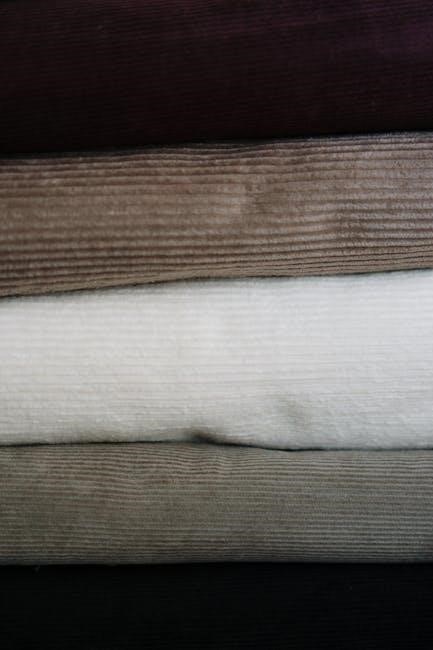
The “wales” are fundamentally the vertical cords, or ridges, that characterize corduroy fabric. These raised lines are what distinguish corduroy from other woven textiles and contribute significantly to its tactile appeal and durability. The width of these wales is a crucial factor in determining the fabric’s overall appearance and weight, and is a key element in classifying different types of corduroy.
A higher wale count—meaning more, narrower wales per inch—results in a finer, more delicate texture, often used for garments requiring a softer drape, like skirts or lighter jackets. Conversely, a lower wale count produces wider, more substantial wales, creating a more rugged and durable fabric ideal for workwear or heavier trousers. Common wale counts range from around 8 wales per inch to as few as 1.5 wales per inch.
The wales are created through a weaving process where extra yarn is floated over several warp yarns, then cut to create the pile. This process not only defines the visual texture but also contributes to corduroy’s characteristic warmth and resilience. Understanding wale count is essential when selecting corduroy for a specific application, as it directly impacts both the aesthetic and functional properties of the finished product.
Corduroy Pile Types: Different Cuts and Finishes
Beyond wale count, the cut and finish of the corduroy pile significantly impact the fabric’s texture, appearance, and performance. Several distinct pile types exist, each offering a unique aesthetic and feel. A standard cut creates a clearly defined, upright pile, providing the classic corduroy look and feel. Shearing, however, involves cutting the pile at an angle, resulting in a softer, more velvety surface with a less pronounced rib.

Another variation is the embossed corduroy, where the pile is pressed or heat-set to create a patterned effect, adding visual interest. Furthermore, some corduroys undergo a “brushing” process, which further softens the pile and enhances its tactile qualities. The choice of pile type influences the fabric’s suitability for different applications.
For instance, a sheared pile might be preferred for more formal garments, while a standard cut is ideal for durable workwear. The pile’s density and height also contribute to the fabric’s warmth and resistance to wear. Modern techniques allow for increasingly sophisticated pile finishes, expanding the design possibilities for corduroy textiles.
Fabric Composition: Traditional Cotton vs. Modern Blends
Historically, corduroy was almost exclusively crafted from cotton, prized for its comfort, breathability, and ability to hold the distinctive pile. This traditional cotton corduroy remains popular, offering a classic aesthetic and natural feel. However, contemporary corduroy production increasingly incorporates blended fibers to enhance performance and broaden application possibilities.
Polyester blends are common, improving durability, wrinkle resistance, and reducing shrinkage. The addition of spandex or elastane introduces stretch, increasing comfort and allowing for more fitted garments. Wool blends offer enhanced warmth and a luxurious texture, suitable for colder climates and higher-end apparel. These blends aren’t simply about cost; they address limitations of 100% cotton.
Manufacturers carefully balance fiber ratios to achieve desired characteristics. While cotton provides the core corduroy texture, synthetic additions refine its practical qualities. The choice between traditional cotton and modern blends depends on the intended use and desired balance of comfort, durability, and performance.

Corduroy in Fashion and Culture
Corduroy transitioned from medieval workwear to a 19th-century favorite among students and outdoor enthusiasts, experiencing a significant resurgence in the 1960s and 70s fashion scenes.
Corduroy in Menswear: Trousers, Jackets, and More
Historically, corduroy’s robust nature positioned it as a practical choice for menswear, initially dominating the workwear sector due to its durability and comfort. Throughout the Middle Ages and into the 19th century, laborers favored corduroy for its resilience against wear and tear. However, its appeal broadened significantly during the 20th century, particularly in the latter half.
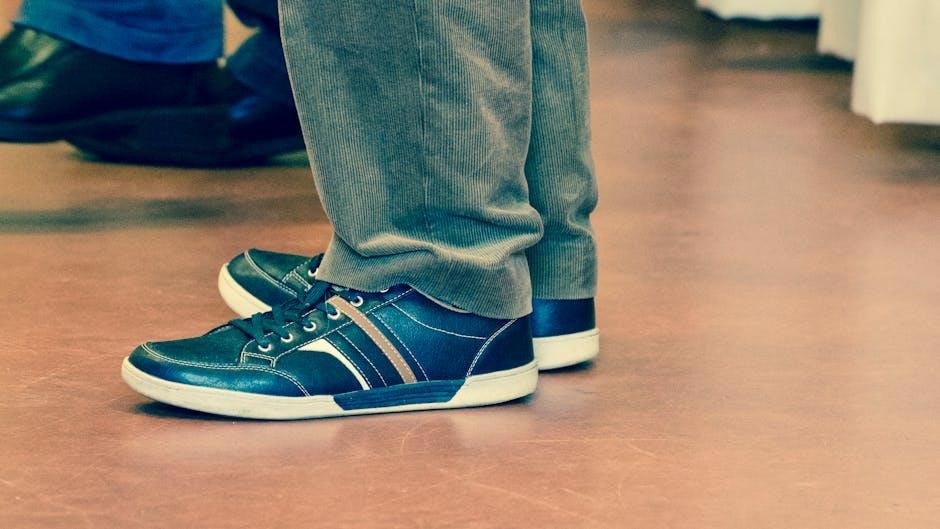
The 1960s and 70s witnessed corduroy trousers becoming a staple in men’s wardrobes, embraced by students and those seeking a more casual, yet refined aesthetic. This period saw a shift from purely utilitarian applications to a fashion-forward embrace of the fabric’s tactile qualities. Beyond trousers, corduroy jackets emerged as a popular layering piece, offering both warmth and style.
Contemporary menswear continues to feature corduroy in diverse forms, from classic tailored trousers and Harrington jackets to more modern interpretations like corduroy overshirts and blazers. The fabric’s versatility allows it to be incorporated into both smart-casual and relaxed ensembles, demonstrating its enduring relevance in modern fashion. It’s a testament to corduroy’s ability to adapt and remain a timeless component of the male wardrobe.
Corduroy in Womenswear: Dresses, Skirts, and Suits
While initially associated with menswear and workwear, corduroy gradually permeated womenswear, mirroring the fabric’s broader acceptance in mainstream fashion during the 20th century. The late 1960s and 1970s were pivotal, as corduroy began appearing in feminine silhouettes, offering a textured alternative to smoother fabrics.
Corduroy skirts, both mini and midi lengths, became popular choices, providing a comfortable and stylish option for everyday wear. Dresses crafted from corduroy offered a similar appeal, blending casual comfort with a touch of sophistication. The fabric’s inherent warmth also made it suitable for autumnal and winter wardrobes.
More recently, corduroy has been reimagined in tailored womenswear, including suits and blazers. These pieces showcase the fabric’s versatility, demonstrating its ability to elevate classic designs with a unique textural element. Designers are increasingly experimenting with corduroy in diverse cuts and colors, solidifying its position as a contemporary fashion staple. From casual dresses to sophisticated suits, corduroy continues to offer a compelling aesthetic for women.
Corduroy and Subcultures: Association with Students & Outdoor Enthusiasts
Throughout the 20th century, corduroy developed strong associations with specific subcultures, notably students and those embracing outdoor lifestyles. Its durability and affordability made it a practical choice for students, who often favored corduroy trousers and jackets as everyday wear, representing a blend of practicality and understated style.
Simultaneously, corduroy’s robust nature and warmth resonated with outdoor enthusiasts. The fabric’s ability to withstand wear and tear, coupled with its insulating properties, made it ideal for hiking, camping, and other outdoor pursuits. This association further cemented corduroy’s image as a reliable and versatile material.
The fabric’s connection to these groups wasn’t merely functional; it also became a stylistic marker. Corduroy became synonymous with a certain intellectual or adventurous spirit, representing a rejection of mainstream fashion trends. This cultural resonance contributed to corduroy’s enduring appeal, extending beyond its initial utilitarian origins and establishing it as a symbol of a particular lifestyle and mindset.
Corduroy Care and Maintenance
Proper washing prevents damage, while careful drying avoids pile crush. Storing corduroy correctly is essential to maintain its textured appearance and lasting quality for years to come.
Washing Corduroy: Best Practices
When embarking on the task of washing corduroy, gentle handling is paramount to preserve its distinctive pile. Turn garments inside out before laundering; this minimizes abrasion and protects the raised wales from excessive wear. Opt for a cold water cycle, as warmer temperatures can contribute to shrinkage and fading.
A mild detergent is your ally here – harsh chemicals can strip the fabric of its natural oils, leading to a diminished texture and potential color loss. Avoid bleach altogether, as it can irreversibly damage the fibers. A delicate cycle is preferable, but if unavailable, a regular cycle with a slow spin speed will suffice.
Consider using a laundry bag, especially for more delicate corduroy items, to provide an extra layer of protection during the wash cycle. Resist the urge to over-wash corduroy; frequent laundering can accelerate wear and tear. Spot clean whenever possible to address minor stains and maintain the fabric’s integrity. Remember, a little preventative care goes a long way in extending the life and beauty of your corduroy pieces.
Drying Corduroy: Avoiding Damage
The drying process is crucial for maintaining corduroy’s plush texture and preventing pile crush. Avoid the high heat of a conventional dryer at all costs; it can irrevocably damage the fabric’s structure and cause significant shrinkage; The safest method is to air dry corduroy garments, preferably laid flat on a clean, dry surface, away from direct sunlight or heat sources.
If you must use a dryer, select the lowest heat setting or an air-fluff cycle. Even then, frequent checks are essential to prevent overheating. Removing the garment while it’s still slightly damp can help minimize wrinkles and maintain the pile’s loft.
To further protect the fabric, consider gently brushing the corduroy with a soft-bristled brush while it’s drying. This helps to restore the pile and prevent it from becoming flattened. Avoid hanging corduroy garments to dry, as the weight of the wet fabric can stretch the wales and distort their shape. Patience is key – allowing corduroy to dry slowly and carefully will ensure it retains its beautiful texture for years to come.
Storing Corduroy: Preventing Pile Crush
Proper storage is paramount to preserving corduroy’s distinctive texture and preventing unsightly pile crush. Avoid tightly packing corduroy garments, as compression can permanently flatten the wales. Instead, opt for spacious storage solutions that allow the fabric to breathe and maintain its shape. Hanging corduroy is generally discouraged, as the weight can stretch the fabric over time.
Folding is the preferred method, but do so carefully, avoiding sharp creases. Consider layering garments with tissue paper between the folds to cushion the pile and minimize friction. Store corduroy in a cool, dry, and dark place, away from direct sunlight, which can fade the color.
For long-term storage, breathable garment bags are ideal, offering protection from dust and pests while allowing air circulation. Regularly check stored corduroy items and re-fold them periodically to prevent permanent creases. A little preventative care during storage will ensure your corduroy pieces remain beautifully textured and ready to wear for seasons to come.
Modern Corduroy and Future Trends
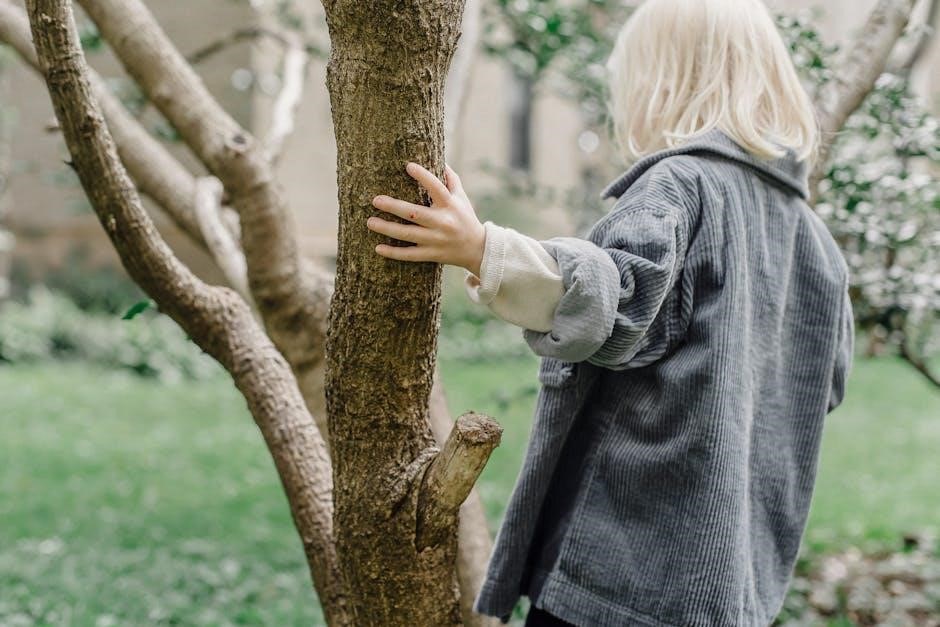
Contemporary fashion witnesses corduroy’s resurgence, fueled by sustainable material innovations and eco-friendly production methods, promising a durable and stylish future for this timeless textile;
Sustainable Corduroy Options: Eco-Friendly Materials
The growing demand for environmentally conscious textiles is significantly impacting corduroy production, driving a shift towards sustainable materials and processes. Traditionally reliant on cotton – a water-intensive crop – modern corduroy is increasingly incorporating innovative, eco-friendly alternatives. Organic cotton, cultivated without harmful pesticides and fertilizers, presents a substantial improvement, reducing environmental impact and promoting soil health.
Beyond organic cotton, manufacturers are exploring recycled materials, transforming plastic bottles and textile waste into new corduroy fibers. This circular approach minimizes landfill waste and lessens the reliance on virgin resources. Furthermore, blends incorporating hemp, a remarkably sustainable plant requiring minimal water and pesticides, are gaining popularity, offering enhanced durability and a reduced carbon footprint.

Innovative fiber technologies, such as Tencel™ Lyocell – derived from sustainably sourced wood pulp – provide a soft, durable, and biodegradable alternative to conventional materials. These advancements not only address environmental concerns but also enhance the fabric’s performance characteristics, creating a corduroy that is both stylish and responsible. The future of corduroy lies in embracing these eco-conscious innovations, ensuring its continued relevance in a world prioritizing sustainability.
Innovations in Corduroy Production
Contemporary corduroy manufacturing is witnessing exciting advancements beyond simply material sourcing, focusing on optimizing processes for efficiency and reduced environmental impact. Traditional methods, while effective, are being refined through the integration of digital technologies and automated systems. Computer-aided design (CAD) and computer-aided manufacturing (CAM) are enabling precise pattern cutting and minimizing fabric waste, contributing to a more sustainable production cycle.
Furthermore, innovations in dyeing techniques are reducing water consumption and eliminating harmful chemicals. Utilizing waterless dyeing technologies and employing natural dyes derived from plant-based sources are becoming increasingly prevalent. Manufacturers are also exploring alternative pile-cutting methods, enhancing the fabric’s texture and durability while minimizing energy usage.
The development of new finishing treatments is improving corduroy’s performance characteristics, enhancing its resistance to abrasion, fading, and shrinkage. These advancements are not only improving the quality and longevity of the fabric but also reducing the need for frequent replacements, further contributing to sustainability. These production innovations ensure corduroy remains a relevant and desirable textile for years to come.
The Resurgence of Corduroy in Contemporary Fashion
Corduroy is experiencing a significant revival in modern fashion, moving beyond its historical associations with workwear and retro styles. Designers are reimagining the fabric with fresh silhouettes, innovative color palettes, and unexpected pairings, attracting a new generation of consumers. We’re seeing corduroy featured prominently in high-fashion collections and streetwear alike, demonstrating its versatility and adaptability.
This renewed interest is fueled by a broader trend towards comfort, texture, and sustainability in clothing choices. Corduroy’s tactile nature and warm aesthetic resonate with consumers seeking garments that offer both style and coziness. The fabric’s durability also appeals to those prioritizing long-lasting, investment pieces.
Moreover, social media and influencer culture are playing a key role in popularizing corduroy. Stylists and fashion enthusiasts are showcasing creative ways to incorporate corduroy into everyday wardrobes, inspiring others to embrace the fabric. From wide-leg trousers and oversized jackets to dresses and skirts, corduroy is proving its staying power as a contemporary fashion staple.