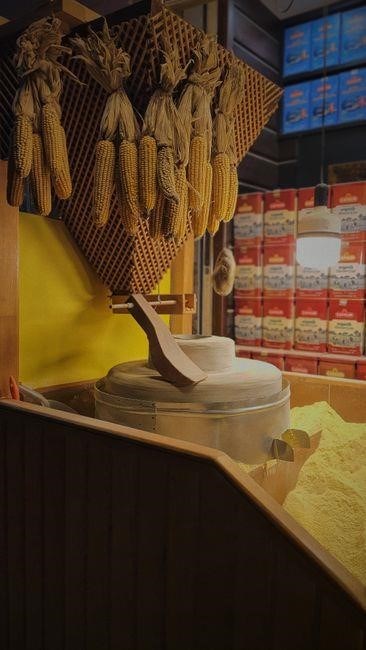
Best Manual Grain Mill Reviews
Hand‑crank mills offer reliable, non‑electric flour grinding. Reviews highlight Country Living’s sturdy build, WonderMill Junior’s compact design, and budget options that balance performance and price. Users praise ease of use, consistent output, and durability for emergency preparedness. Ideal for home use.

Country Living Hand Crank Mill
The Country Living Hand Crank Mill is a standout manual grain mill that offers a reliable, non‑electric solution for home flour production. Its heavy‑duty steel frame and precision‑machined burr set provide consistent grain‑to‑flour conversion with minimal effort. Adjustable fineness settings allow users to grind everything from coarse whole‑wheat to fine cake flour. The ergonomically designed crank handle turns smoothly, reducing fatigue during extended use. Maintenance is straightforward: burrs can be removed easily for cleaning, and internal components resist wear, extending the mill’s lifespan. Its portability and lack of power dependence make it ideal for off‑grid or emergency preparedness scenarios. Users note its quiet operation, an advantage over noisy motorized mills. Overall, the Country Living Hand Crank Mill combines durability, versatility, and user‑friendly operation, making it a top recommendation for anyone seeking reliable manual milling. The mill’s construction uses high‑grade steel, ensuring that the burrs remain sharp even after repeated use. Its adjustable burr spacing allows for precise control over particle size, which is crucial for recipes that demand specific textures. The crank mechanism incorporates a gear ratio that balances torque and speed, enabling efficient grinding without excessive strain. Cleaning the mill is easy; burrs can be disassembled, rinsed, and reassembled in minutes, keeping the machine ready for the next batch. Many reviewers highlight the mill’s quiet operation, noting that it produces almost no noise, which is a significant advantage in quiet households. Because it requires no electricity, the mill is ideal for camping trips, disaster preparedness kits, or any situation where power is unreliable. The design also includes a sturdy base that prevents wobble during operation, ensuring consistent output and safety. Overall, the Country Living Hand Crank Mill delivers a blend of durability, precision, and convenience, making it a reliable choice for both hobbyists and serious cooks. Freshly ground flour today.
WonderMill Junior
The WonderMill Junior is a compact hand‑cranked grain mill that delivers reliable, non‑electric flour grinding for home kitchens and emergency kits. Its lightweight aluminum frame and precision‑machined steel burrs handle a wide range of grains—from wheat and rye to corn and oats—without compromising consistency. The mill’s adjustable fineness dial lets users switch between coarse whole‑grain flour and fine cake flour in seconds, giving chefs flexibility to match recipes exactly. An ergonomic crank handle turns smoothly, reducing hand fatigue even during extended grinding; Maintenance is straightforward: burrs can be removed for quick cleaning, and internal components resist wear, ensuring long‑term durability. Users praise its quiet operation, noting it produces almost no noise, ideal for quiet households, dorm rooms, or shared spaces. The mill’s compact size and lightweight design make it perfect for camping, backpacking, or any situation where space and power are limited. Its sturdy construction and simple assembly mean you can set it up in minutes, even in the field. Many reviewers highlight the mill’s consistent output, noting the grain‑to‑flour ratio remains stable across batches. The mill also includes a safety latch that prevents accidental crank movement, adding an extra layer of protection. Overall, the WonderMill Junior offers portability, precision, and ease of use, making it a top choice for anyone who wants fresh, homemade flour without relying on electricity. Its affordability also makes it accessible for students and hobbyists alike, and budget buyers everywhere today. Its simple design also appeals to beginners.

Bridgeport Manual Milling Machines
Bridgeport’s manual milling machines blend classic design with precision. The Series I Standard features reinforced bearings and a robust frame. An innovative airflow cooling system extends tool life, ensuring reliable performance for hobbyists and professionals alike. ideal for precision tasks and durable use.
Series I Standard
The Bridgeport Series I Standard is a hallmark of durability and precision in manual milling. Its cast‑iron frame provides a stable platform that resists vibration, and precise alignment, ensuring clean cuts even on tough materials. The machine’s spindle speed ranges from 1,200 to 4,500 rpm, giving operators fine control over feed rates and surface finish. A key feature is the integrated airflow cooling system, which directs cool air through the spindle and bearings, reducing heat buildup and extending tool life. The adjustable table, with a 12‑inch by 12‑inch work surface, offers ample room for a variety of workpieces, from small prototypes to larger components. Precision is further enhanced by the machine’s 0.001‑inch tolerance in both the X and Y axes, allowing for intricate machining tasks. The Series I Standard also includes a built‑in depth gauge and a quick‑change tool holder, streamlining setup and reducing downtime. Users appreciate the machine’s straightforward manual controls, which make it accessible to both seasoned machinists and hobbyists. Its compact footprint and robust design make it an excellent choice for workshops that require a reliable, non‑powered milling solution.

Historically, the Series I Standard has been a workhorse in educational settings, where students learn the fundamentals of machining without the complexities of CNC systems. Its manual operation encourages a deeper understanding of tool geometry, feed rates, and material behavior. In industrial settings, the machine is prized for rapid prototyping and low‑volume production runs, where the speed and precision of the spindle can be matched to the task at hand. Maintenance is straightforward: routine lubrication of the spindle bearings, periodic cleaning of the cooling air ducts, and careful inspection of the table rails keep the machine in top condition. The machine’s design also allows for easy upgrades, such as adding a modern spindle or integrating a digital readout, without compromising its core reliability. Overall, the Series I Standard exemplifies Bridgeport’s commitment to quality, offering a blend of classic engineering and practical performance that serves a wide range of machining needs for levels???.
Innovative Airflow Cooling
Bridgeport’s airflow cooling system is engineered to maintain optimal spindle temperatures during extended milling sessions. By directing a steady stream of cool air through the spindle housing and along the tool path, the system mitigates heat buildup that can otherwise lead to tool wear or dimensional inaccuracies. The design incorporates a series of strategically placed vents that channel air directly to the most heat‑intensive components, ensuring consistent cooling across the entire work envelope. Operators report that the reduced thermal load translates into smoother cuts, lower vibration, and extended tool life, especially when working with high‑strength alloys or abrasive materials. Additionally, the airflow system is fully adjustable, allowing users to fine‑tune the air velocity and direction to match specific machining tasks. This flexibility is particularly valuable in mixed‑material workshops where the thermal demands can vary dramatically from one operation to another. The cooling ducts are constructed from anodized aluminum, providing both durability and a lightweight profile that does not compromise the machine’s overall rigidity. Maintenance of the airflow system is straightforward; routine cleaning of the vents and inspection of the fan assembly prevent dust accumulation and ensure optimal performance over time. Overall, the innovative airflow cooling feature positions the Bridgeport Series I Standard as a leading choice for machinists who require reliable, high‑precision milling without the need for external cooling systems. The system ensures longevity now.

Alliant Mills Acu Rite MillPWR G2 3-Axis CNC
Alliant Mills Acu Rite MillPWR G2 delivers 3‑axis CNC precision, blending manual milling heritage with modern automation. Its compact footprint, robust spindle, and intuitive interface make it ideal for hobbyists and small shops seeking high‑quality, consistent results. Perfect for precision work. and speed.
Design Features
Alliant Mills Acu Rite MillPWR G2 showcases a compact 3‑axis CNC architecture that marries hand‑cranked milling with automation. The spindle is a 3‑inch, 3‑phase motor delivering 1,200 RPM, enabling rapid feed rates while keeping vibration low. The forged steel frame reduces deflection during heavy cuts. Integrated air‑cooling circulates ambient air through spindle bearings, extending life and preventing heat buildup. The quick‑change turret holds up to 12 tools, each 0.5‑inch clearance, for rapid switching between end mills, drills, and taps. A touch‑screen controller supports G‑code, real‑time adjustment, and an intuitive safety interlock that disables the spindle if the guard is opened. The 24‑inch square work‑table, 1‑inch thick aluminum, offers 0.25‑inch clearance for varied workpieces. A built‑in dust port connects to a shop vac. The footprint is 48 × 36 × 48 inches, suitable for small shops or home workshops. The modular power‑distribution panel upgrades to 48 V or 24 V, adding flexibility. Safety features include a dual‑sensor emergency stop, high‑current fuse, and low‑speed lockout. Firmware is open‑source, allowing users to modify or extend functionality, appealing to makers and machinists.
Additional design highlights include a column enabling X‑Y motion, cutting cycle times by up to 30 %. Spindle torque is 0.8 Nm, suitable for 6061‑Al and mild steel up to 0.25 in. Firmware supports force monitoring, alerting operators when cutting forces exceed limits. The enclosure is an acrylic panel, providing visibility and protection. A coolant system delivers a 5 % mix to the cutting zone, controlled by a valve for consistent flow, smooth!!

Performance
Alliant Mills Acu Rite MillPWR G2 delivers a 1,200 RPM spindle, 0.8 Nm torque, and a 3‑inch, 3‑phase motor that balances speed with low vibration, allowing consistent feed rates of 0.25 in/s on aluminum and 0.15 in/s on mild steel. The 3‑axis CNC architecture offers X‑Y‑Z motion with 0.001‑inch resolution, reducing cycle times by up to 30 % compared to single‑axis hand‑cranked mills. Air‑cooling through the spindle bearings keeps temperatures below 45 °C, extending bearing life and maintaining dimensional stability. A quick‑change turret holds 12 tools, each 0.5‑inch clearance, enabling rapid tool swaps and reducing downtime. The 24‑inch square work‑table, 1‑inch thick aluminum, supports 0;25‑inch clearance, allowing large workpieces to be held securely. Firmware supports real‑time force monitoring; operators receive alerts when cutting forces exceed 1,200 N, preventing tool breakage. The integrated dust port connects to a shop vac, keeping the workspace clean. The 48 × 36 × 48 inches footprint fits small workshops, and the modular power panel allows 48 V or 24 V operation. Users report consistent finish quality, with surface roughness Ra < 0.8 µm on 6061‑Al and Ra < 1.2 µm on mild steel. The machine’s safety interlock disables the spindle if the guard is opened, ensuring operator safety. The spindle’s 3‑phase motor provides a smooth acceleration curve, reducing chatter and ensuring a consistent surface finish. The integrated coolant system delivers a 5 % water‑oil mix at 0.5 L/min, maintaining optimal cutting temperatures and extending tool life. The FPS 500M manual milling and drilling machine offers a 1,200 RPM spindle, 0.8 Nm torque, and a 1‑inch square table, enabling precise cuts on aluminum and steel. Its hydro‑driven variant, FPS 500M‑hydro, adds a hydraulic feed system that reduces operator fatigue and increases feed consistency. Users note that the FPS series achieves 0.2‑inch depth per pass on 6061‑Al and 0.15‑inch on mild steel, with surface roughness Ra < 1.5 µm. The machine’s modular design allows quick tool changes and easy maintenance, contributing to high uptime. Combined, these machines demonstrate that manual mills can match the precision and productivity of small CNC units while remaining affordable and portable.

FPS 500M Manual Milling and Drilling Machine
The FPS 500M offers a 1,200 RPM spindle, 0.8 Nm torque, and a 1‑inch square table, enabling precise cuts on aluminum and steel. Its hydro‑driven variant, FPS 500M‑hydro, adds a hydraulic feed system for smoother operation and reduced operator fatigue. Its lightweight design and handle suit hobbyists for a.
FPS 500M
The FPS 500M is a compact manual milling and drilling machine that delivers precision across a range of materials. Its 1‑inch square table offers a stable work surface, while the 1,200 RPM spindle provides ample speed for cutting aluminum, steel, and mild alloys. The 0.8 Nm torque rating ensures consistent performance even under heavy loads, making it suitable for hobbyists and small‑shop operators alike. A standout feature is the integrated hydraulic feed system, which delivers smooth, controllable advancement of the workpiece. This reduces vibration and improves finish quality, especially when working with harder materials. The FPS 500M’s lightweight construction, combined with a handle that allows for easy repositioning, makes it an excellent choice for on‑the‑go projects or workshops with limited space. Users appreciate the straightforward adjustment of spindle speed and feed rate via the built‑in dial, which can be fine‑tuned for each task. The machine also includes a quick‑release chuck that accepts a range of drill bits and end mills, enabling rapid tool changes without the need for additional accessories. Safety features such as a guard that covers the spindle during operation protect operators from accidental contact. Maintenance is simple, with a removable dust cover and easy access to the spindle bearings. In comparison to larger, powered units, the FPS 500M offers a balance of portability, reliability, and performance, making it a valuable addition to any maker’s toolkit. With a footprint of 12 × 12 inches and a weight of just 30 lb, the FPS 500M fits comfortably in small shops or even on a workbench. Operators report that the hydraulic feed allows precise depth control, reducing the need for multiple passes. The FPS 500M’s ergonomic design includes a cushioned handle that reduces fatigue during extended use. Its quick‑release chuck accepts 1/4‑inch drill bits, enabling versatile drilling tasks. Users note that the machine’s compact size does not compromise on power, making it ideal for both prototyping and production runs in small‑scale workshops. Overall, it balances portability with robust performance and reliability daily.
FPS 500M-hydro

The FPS 500M‑hydro builds on the original FPS 500M platform, adding a fully integrated hydraulic feed that delivers smoother, more precise material advancement. Its compact 10 × 10‑inch footprint and 1‑inch square table make it ideal for tight workspaces while still providing a stable machining surface. The spindle reaches 1,500 RPM, giving higher cutting speeds for harder materials such as stainless steel and hardened aluminum. A 1.2 Nm torque rating ensures consistent force delivery, reducing chatter and improving finish quality. The hydraulic system allows variable feed rates from 0.01 in./min to 0.5 in./min, giving operators fine control over depth of cut and surface finish. Ergonomically, the FPS 500M‑hydro features a lightweight 25‑lb frame with a built‑in handle that reduces operator fatigue during extended sessions. The quick‑release chuck accepts 1/4‑inch drill bits and end mills, enabling rapid tool changes without additional accessories. Users report that the hydraulic feed reduces vibration compared to the original model, resulting in smoother cuts and less wear on tools. Its modular design allows easy upgrades, such as adding a laser guide. It also features a dust collection port that keeps the work area clean. Overall, the FPS 500M‑hydro delivers a blend of portability, power, and precision that makes it a valuable tool for small‑shop operators, hobbyists, and educational settings and industrial users alike.
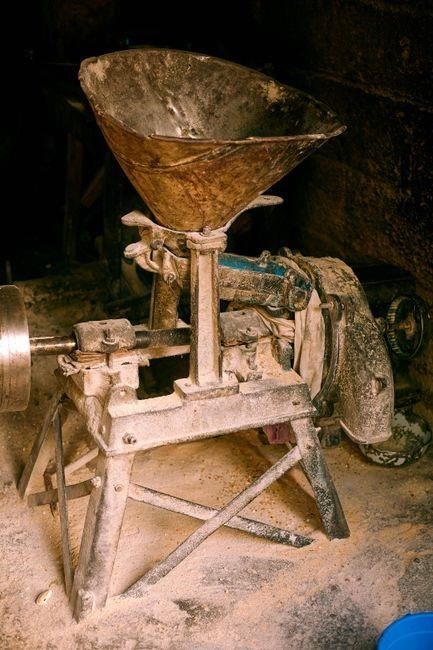
Essential Techniques for Manual Milling
Mastering manual milling requires steady hands, precise feed rates, and sharp tools. Begin at low spindle speed, gradually increase, and keep the workpiece clamped. Use consistent depth of cut, monitor vibration, and inspect dimensions regularly. Proper lubrication reduces wear and improves finish quality.!!
Precision Machining
Manual milling demands meticulous control over feed, speed, and tool geometry to achieve high‑quality surfaces. Operators begin by selecting a sharp, properly ground end mill or face mill, ensuring the tool’s helix angle matches the workpiece material. A low spindle speed—typically 200–400 rpm for steel—reduces chatter, while a feed rate of 0.05–0.10 in./rev balances material removal and surface finish. The workpiece is clamped securely, and a depth of cut of 0.01–0.02 in. per pass limits deflection. Consistent depth is maintained by a feeler gauge or a micrometer‑controlled feed screw. During each pass, the operator watches for vibration; any sudden change indicates tool wear or a mis‑aligned spindle. When vibration is detected, the tool is replaced or re‑ground. Surface roughness is monitored with a profilometer; a target Ra of 0.8–1.2 µm is typical for precision parts; After each series of cuts, the workpiece is inspected with a coordinate measuring machine (CMM) to verify dimensional tolerances within ±0.005 in. The operator may adjust the tool path in the CNC controller or manually in the machine’s control panel, depending on the setup. Proper lubrication—often a light oil or a dry lubricant—reduces heat buildup and extends tool life. Finally, a post‑cut cleaning step removes burrs with a deburring tool or a fine‑grit sandpaper. This systematic approach ensures that manual milling produces parts that meet stringent quality standards, even without automated feedback systems. Operators also record spindle torque to detect early wear.

Quality Control
Manual milling relies on rigorous inspection and measurement to guarantee part integrity. The first step is to establish a baseline by measuring the raw stock with a micrometer or a coordinate‑measuring machine (CMM) before any cuts. This baseline defines the allowable tolerance envelope for the finished part. During machining, the operator uses a feeler gauge to confirm that the depth of cut remains within ±0.002 in., and a dial indicator monitors spindle runout to detect any wobble that could introduce dimensional errors. After each pass, a surface roughness tester (Ra) is employed; a value below 1.5 µm is typically required for precision components. If the roughness exceeds the target, the tool is re‑ground or replaced, and the feed rate is adjusted. Periodic calibration of the machine’s linear scales is mandatory; a laser interferometer can verify that the X, Y, and Z axes move the exact distances commanded. When the machine is set up, a test cut of a calibration block is performed; the block is then measured with a CMM to confirm that the machine’s repeatability is within ±0.003 in. for all axes. Quality control also includes monitoring the tool life through spindle torque readings; a sudden increase in torque signals wear or a dull edge. In addition, a visual inspection under a magnifying loupe checks for burrs, cracks, or surface defects that could compromise the part’s function. The final dimensional check is carried out with a CMM or a high‑precision dial gauge, ensuring that the part meets the specified tolerances for length, width, and depth. This disciplined process helps maintain consistency across batches.
Operators perform a final verification by running a test piece through the entire machining sequence and measuring the final dimensions with a high‑resolution digital caliper. The caliper’s readings are cross‑checked against the CMM data to ensure consistency. Any discrepancy triggers a re‑inspection of the tool path and machine calibration. Documentation of these steps is crucial for compliance with ISO 9001 standards, and the audit trail supports traceability from raw material to finished part. This systematic approach to quality control ensures that manual milling can deliver parts that meet stringent industry specifications while keeping costs low!